Category: Materiality
-
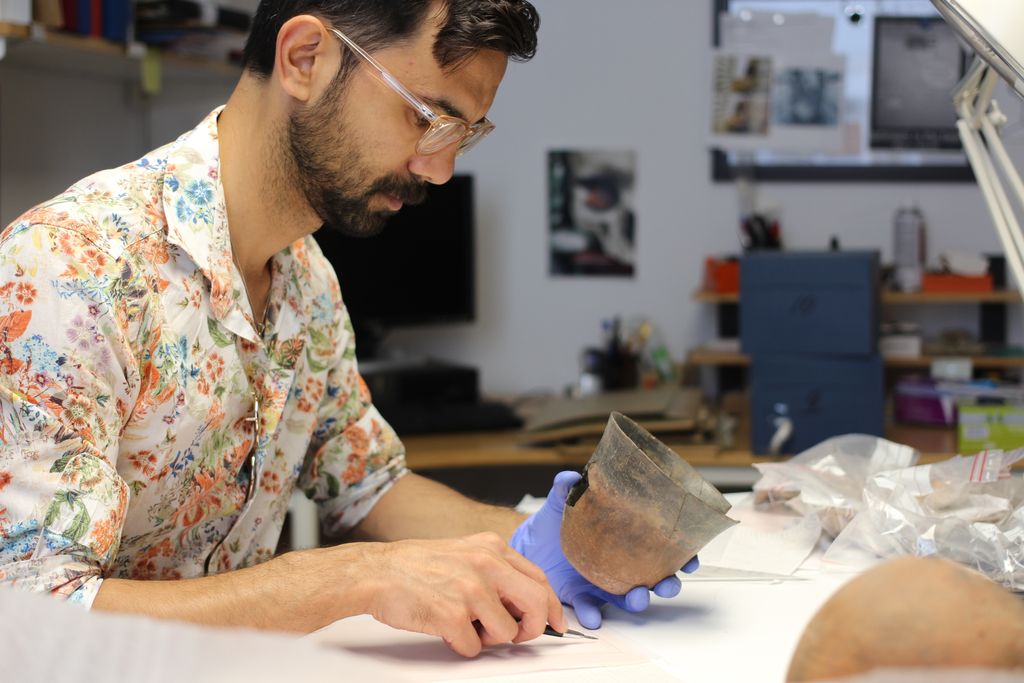
Egyptian? Or Nubian? Asking questions of objects
By Aaron de Souza For the last ten years or so I’ve been deeply interested in ancient Nubian cultures of the Second Millennium BCE – in particular the so-called ‘Pan-Grave’, ‘C-Group’ and ‘Kerma’ cultures.[1] I can’t tell you exactly what about them it is that intrigues me so much, but a big part is the…
-
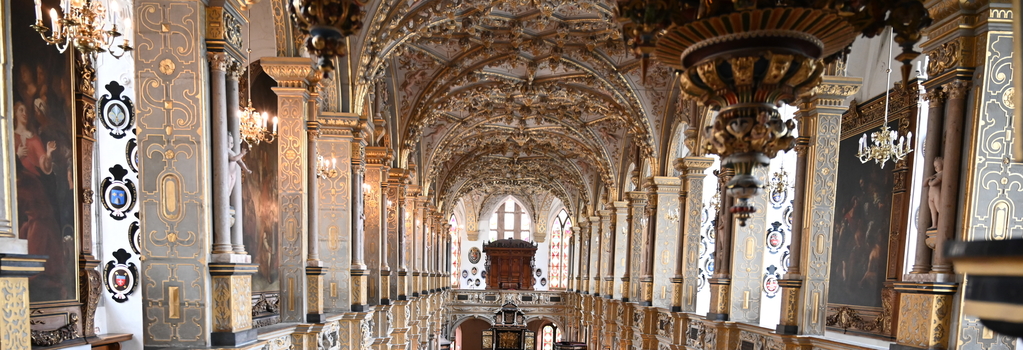
The court chapel’s position in Early Modern Europe: a methodological approach
By Manos Vakondios The “court chapel across religious boundaries” is my PhD project, part of the wider MSCA project PALAMUSTO (Palace Museum of Tomorrow)[1]. Together with nine other PhD theses, palatial spaces, concepts, and infrastructures are addressed and explored by colleagues in universities and museum institutions across Europe.[2] The research focus of my doctoral project…
-
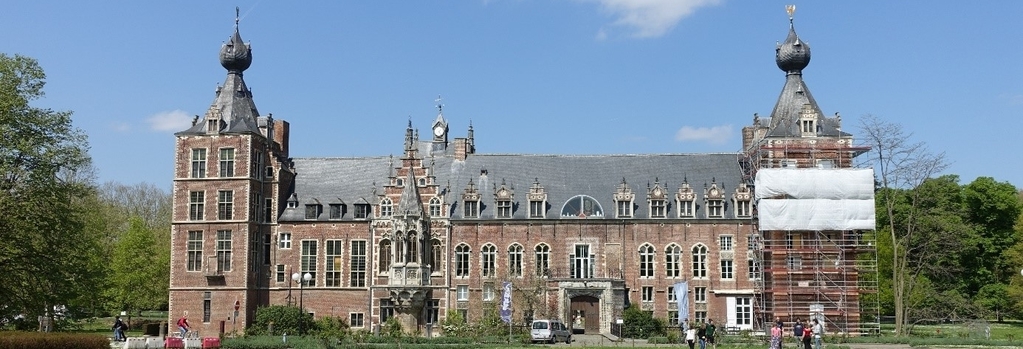
Researching (from) a Ducal Residence: the Tower Apartment of Mary of Hamal at the Castle of Heverlee
By Miara Fraikin In March 2020 – not the best timing to be honest – I started my PhD research within the Horizon 2020 funded European Training Network PALAMUSTO (Palace Museum of Tomorrow). Uniting ten researchers from nine hosting institutions in five European countries, this research project aims to investigate the court residence or palace…
-
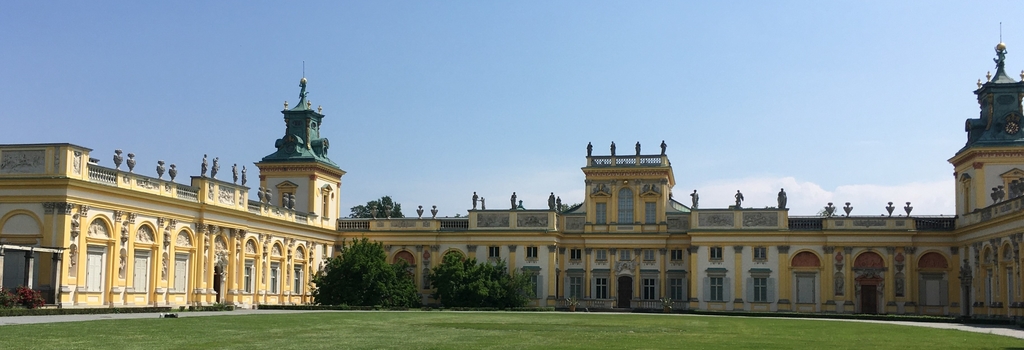
A Royal Bedroom: Gender, Class and Material Culture
By Esther Griffin van Orsouw For my PhD research at the University of Warsaw, I investigate the consumption of art by the Sobieski family and their contemporaries in the late 17th and early 18th century in relation to space. I consider what type of objects the royals surrounded themselves with, whether they favoured any objects…
-

The Palace Museum of Tomorrow
By Esther Griffin – van Orsouw Stories of royal and noble courts capture the imagination of millions of people all over the world. If we look at the offer on streaming services, we see historical titles such as ‘The Other Boleyn Girl’, ‘Versailles’, ‘The Cook of Castamar’, ‘The Last Czars’, and ‘Downton Abbey’, to name…
-
Lacquer as Art and Medicinal Material in Early Modern England
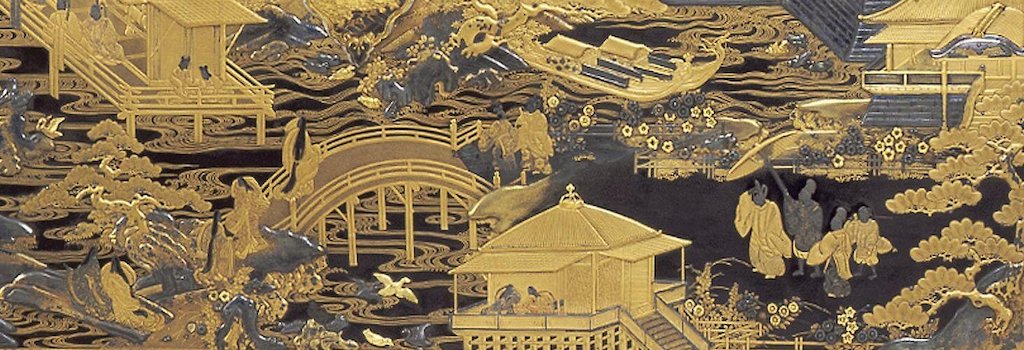
CHENG HE Look up the word ‘lacquer’ in an art dictionary, or on Google, and you usually find the word ‘varnish’; a sticky liquid applied to the surface of objects to form a shiny coating. The word can also refer to the objects coated with varnish themselves, which are sometimes decorated with additional materials like…
-

Stitches of Resistance: Reclaiming the Narratives of the Enslaved Seamstresses in Martha Washington’s Purple Silk Gown
DR CYNTHIA E. CHIN A single object was the subject of my doctoral dissertation: a heavily faded purple silk gown owned and worn by Martha Dandridge Custis Washington (1731-1802), the wife of ‘His Excellency’, President George Washington. One of three surviving intact dresses belonging to Washington, the garment visibly still retains her embodied presence. The…
-
Collecting Contexts – Why Do We Collect?
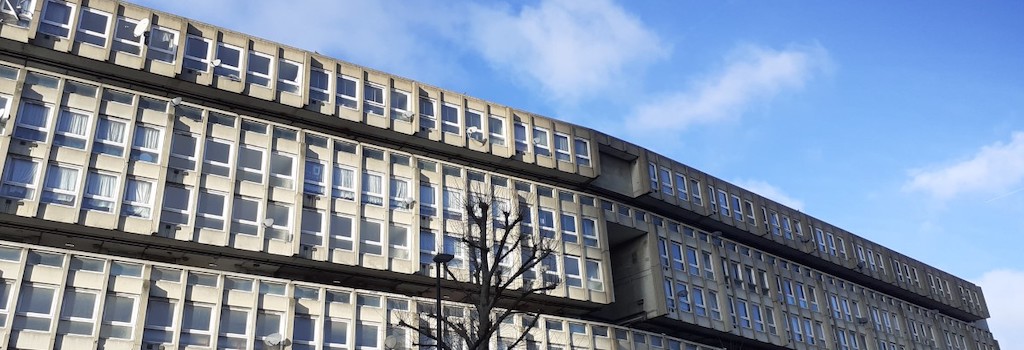
WILL BURGESS During the summer of 2019, I volunteered at the V&A’s Lansbury Micro Museum in Poplar, East London, to help run an exhibition called For the Love of Things. The exhibition put the personal collections of the museum’s visitors on display, its shelves changing throughout the summer as people contributed different groups of objects: antique…
-

Material Culture and Identities: The Case of Eighteenth Century Toby Jugs
KERRY LOVE A main principle of material culture theory (the study of objects and their relationships to people) is that they can reflect or shape the people who lived alongside them in any given time. I have always enjoyed studying objects more than any other kind of source because the process gave me a direct…
-
Everyday Decolonisation: the local museum in 2020
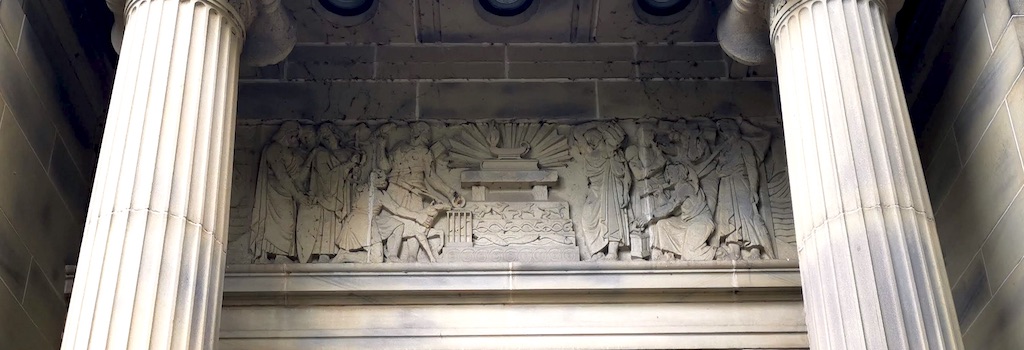
PIPPA LE GRAND A few Monday mornings ago, I stood outside Weston Park Museum, Sheffield, enjoying my job and welcoming visitors. There were few enough around that I was able to gaze at the frieze over the door and even discuss it at length with a colleague. The frieze, according to Sheffield Hallam’s Public Art Research…
 History blog archive