Tag: Featured Post
-
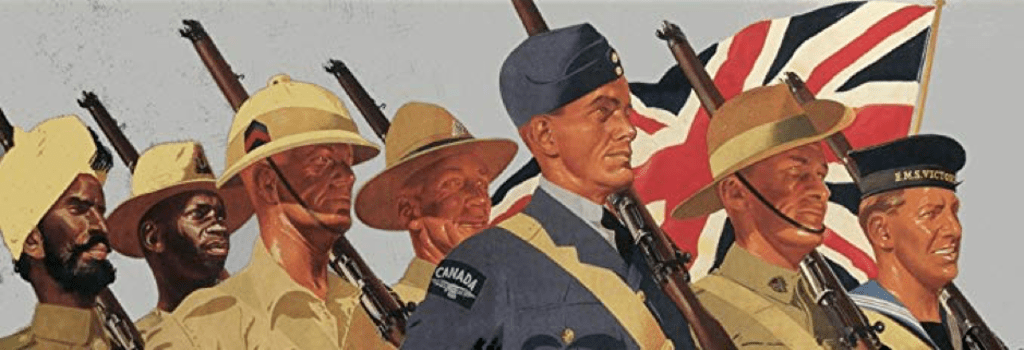
Do Mention the War: Discourses of Sacrifice and Obligation in White Rhodesian Society, 1964-1965
David Kenrick. Contemporary political discourse in Britain is saturated by sepia-tinged memorialisation of the Second World War. Parties across the country’s growing political divide invoke slogans and imagery redolent of the ‘blitz spirit’ or ‘going it alone’. Far from being a recent development, politicians have long sought to use these memories for contemporary purposes. In…
-
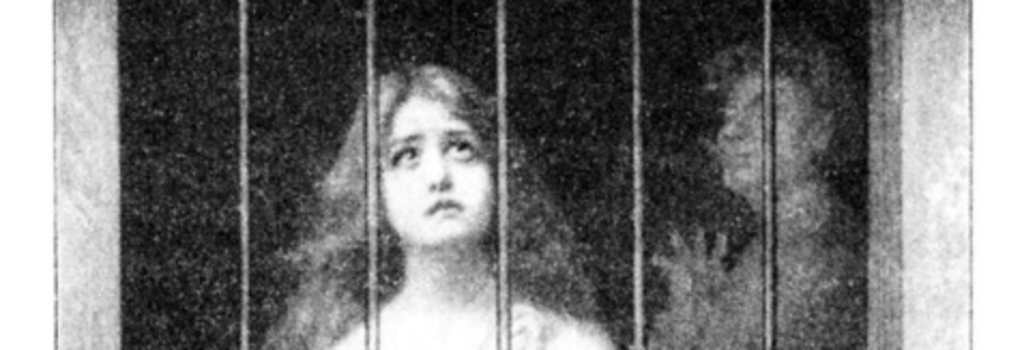
Prosecuting Procurement in the Russian Empire
Siobhán Hearne. Panic over sex trafficking and the procurement of young women and girls for prostitution reached a crescendo in the early 1900s across Europe and the Americas. Government officials, doctors, jurists, and members of philanthropic organisations met at international congresses dedicated to tackling the problem and newspapers across the continents were filled with exposés of…
-

Running Tudor England’s Second City: The Accounts of the Chamberlains of Norwich, 1539-45
All information cited in the body of this text are taken from Rawcliffe, C, The Norwich Chamberlains Accounts 1539-40 to 1544-45. vol. 83, Norfolk Records Society, (Norwich, 2019). Please consult this volume if you wish to follow up and reference anything below. Carole Rawcliffe. Accounts are an important source of evidence for students of late…
-

Redefining the ‘Born’ Murderer: Lombrosian Legacies in Early Soviet Criminological Discourse.
Mark Vincent. The 1876 publication of Italian criminologist Cesare Lombroso’s L’uomo delinquent (‘Criminal Man’) caused quite a stir amongst professionals in late Imperial Russia, in addition to the field of Western social scientists. Whilst some elements of Lombrosian thought, such as inherited criminal impulses, a link between moral and physical deformity, and a determination to place the…
 History blog archive