Tag: History
-
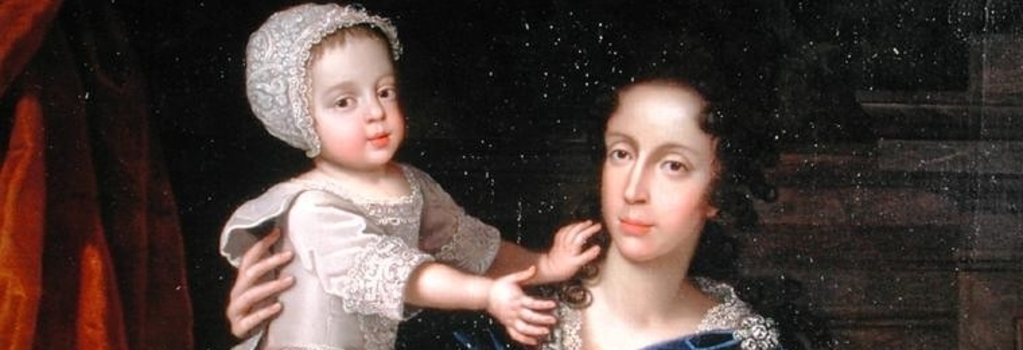
The Cat in the Cradle: Conspiracy Theories and Credible News, 1688 – and Now
By Laura Doak On 10 June 1688 a new Prince of Wales was born at St. James’s Palace, London, and whispers swept across Europe. Some claimed that the baby, born to King James VII & II and his queen, Mary of Modena, was a fake. Stories circulated that it was a plot to engineer counter-Reformation…
-
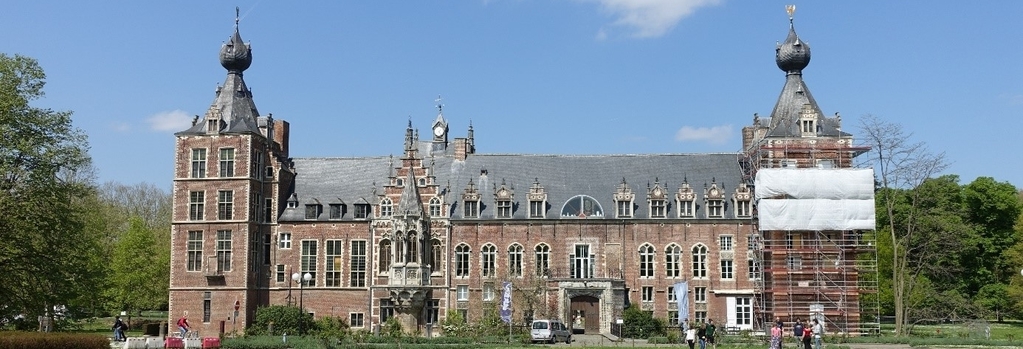
Researching (from) a Ducal Residence: the Tower Apartment of Mary of Hamal at the Castle of Heverlee
By Miara Fraikin In March 2020 – not the best timing to be honest – I started my PhD research within the Horizon 2020 funded European Training Network PALAMUSTO (Palace Museum of Tomorrow). Uniting ten researchers from nine hosting institutions in five European countries, this research project aims to investigate the court residence or palace…
-
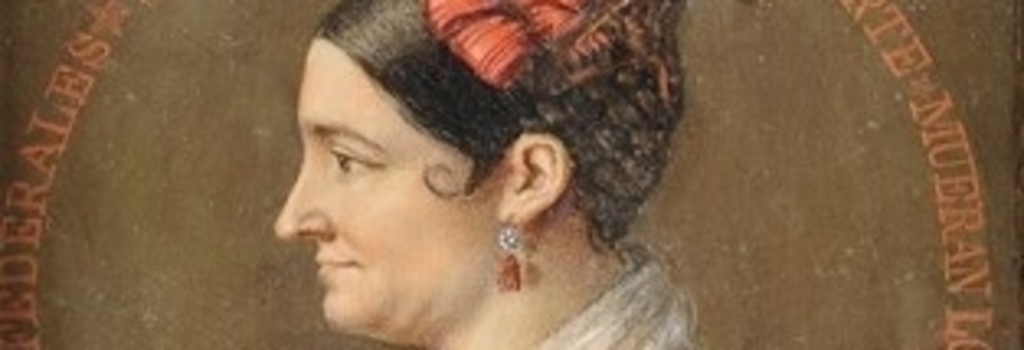
Portraits of Female Power in Argentina: Encarnación Ezcurra and Eva Perón
By Rachel Morgan The last three decades of the twentieth century have witnessed a boom in writings on Latin American women to the left of the political spectrum. When considering the topic of leftist Argentine women in power, the image of Eva Perón is inescapable: she was the impoverished and illegitimate child from Los Toldos…
-

Replacing Ireland’s Lost Records: Doing Public History with the Beyond 2022 Project
By Elizabeth Biggs One hundred years ago, in the spring and early summer of 1922, the Public Record Office of Ireland in the Four Courts complex in Dublin was occupied by anti-Treaty forces, with Rory O’Connor as one of their leaders. They were opposed to the Anglo-Irish Treaty of the previous year, which they felt…
-
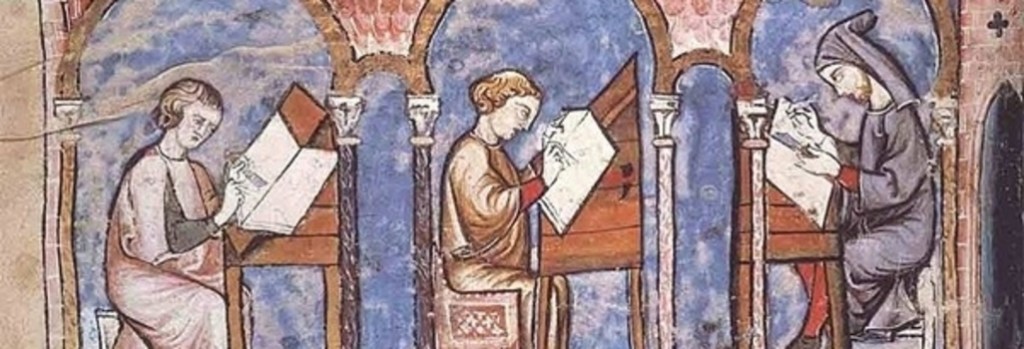
Narratology for Historical Research: Medieval Texts and Crusader Cannibals
By Katy Mortimer Historians use various methodologies to investigate the past. A particularly prominent feature of recent historiography, for example, is the exploration of social and cultural history, such as questions of gender, religion, power, and material culture. From the mid-twentieth century, moreover, the ‘linguistic turn’ and the development of narrative theory (narratology) led to…
-

Reaching out to Re-enactors and Vice-Versa
By Jeff Berry In 2010, I was at conference organised by the Columbia University Medieval Guild (now the Medieval Colloquium) when one of the invited speakers threw up a slide of the Ft. Tryon Medieval Festival, held annually in pre-covid times at the top end of Manhattan. Staring out at me from the picture was my good…
-
Blurring the lines of the two kingdoms: kirk and council in Scotland, 1689-1708
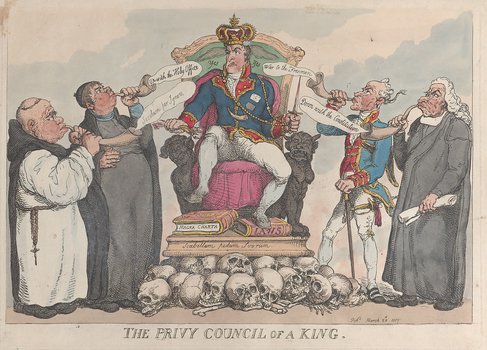
By Robbie Tree As the British Cabinet continues to run rough shod over its responsibilities, we hear grumblings over the effectiveness of our leaders and the legitimacy of central government intervention into the daily lives of the populace. These issues were relevant to early modern Scots as well, in terms of the government of both…
-

Toppling Tyrants: Early Medieval Approaches to Regime Change
By Harry Mawdsley “[He] had very little sense. He conducted all his affairs without paying the slightest heed, till at length, employing a heavy hand against [his subjects], he was the cause of violent hatred and outrage among them” Such was the damning description of Childeric II’s reign in Francia by one early medieval chronicler.…
-
A Royal Bedroom: Gender, Class and Material Culture
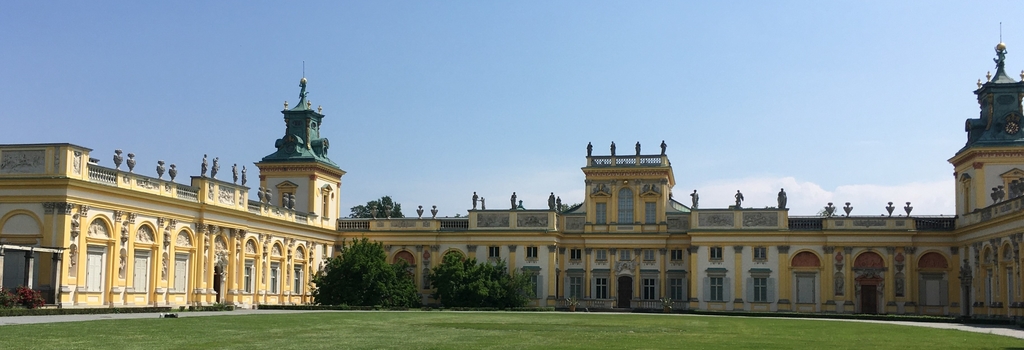
By Esther Griffin van Orsouw For my PhD research at the University of Warsaw, I investigate the consumption of art by the Sobieski family and their contemporaries in the late 17th and early 18th century in relation to space. I consider what type of objects the royals surrounded themselves with, whether they favoured any objects…
-
A Sexual Tour of Venice: Mapping a Sixteenth-Century Catalogue of Courtesans
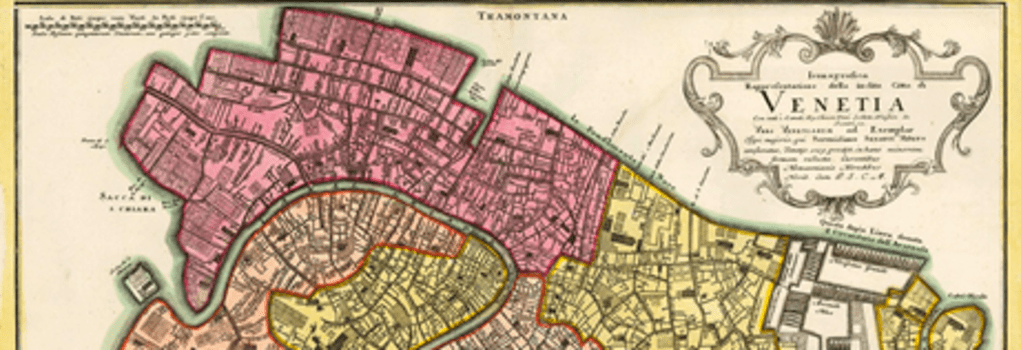
By Hannah Johnston Sometime around 1565, a price-list of Venice’s cortigiane oneste, or “honest courtesans,” who served the city’s upper echelons, was published in Venice.[1] Titled Il catalogo di tutte le principali et più honorate cortigiane di Venezia (“The Catalogue of All the Principal and Most Honored Courtesans of Venice,” hereafter “the catalogue”), the catalogue…
 History blog archive