Category: Britain
-

Britain First: The official history of the United Kingdom according to the Home Office – a critical review
Frank Trentmann BRITAIN FIRST: The official history of the United Kingdom according to the Home Office – a critical review Following this summer’s open letter to the Home Office, this article by Frank Trentmann offers an analysis of the official history chapter in the ‘Life in the UK’ handbook that is required reading for migrants…
-

James Forbes’ Mango and the Art of British Indian Empire
Apurba Chatterjee In 1765, James Forbes, a mere Scottish lad of less than sixteen years of age, set sail to India following his appointment as a Writer for the English East India Company (EIC) in Bombay. Forbes was to stay in India for eighteen years, and he gradually rose to prominence as the Collector of…
-

Historians Call for a Review of Home Office Citizenship and Settlement Test
21 July 2020 Historians Call for a Review of Home Office Citizenship and Settlement Test We are historians of Britain and the British Empire and writing in protest at the on-going misrepresentation of slavery and Empire in the “Life in the UK Test”, which is a requirement for applicants for citizenship or settlement (“indefinite leave…
-
Edgerton & Empire: Nationalism, Imperialism and Decolonisation
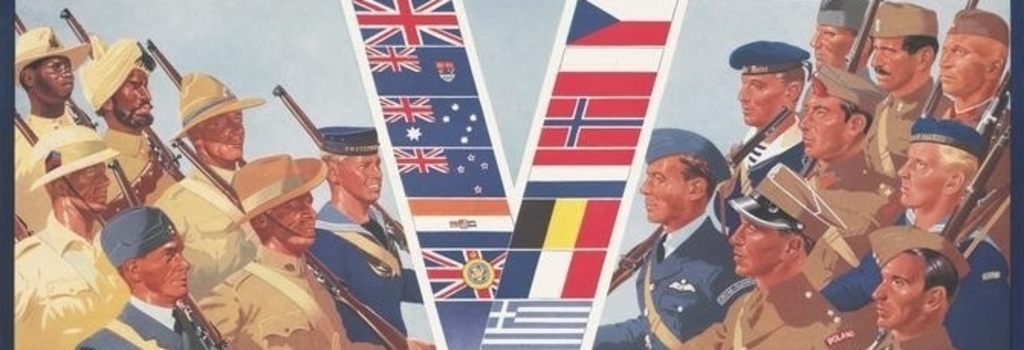
Liam Liburd One of the indirect and unintended side-effects of the tragic murder of George Floyd by an officer of the Minneapolis Police Department in late May has been a renewed effort to confront Britain’s own history of racism, especially that in the form of colonialism. Activists have taken aim at the symbols of this…
-

Healing the Whig schism: 300 years on
Robin Eagles Fractures within political parties are nothing new. In 1717, the apparent unity that the Hanoverian accession had instilled in the Whigs came to an end amid infighting over direction of policy and disagreement over who was to hold what post in the new administration.[1] It was a fissure that was to last almost…
-

Hospitals for All?
Barry Doyle As the nation struggles with the most pervasive health crisis for one hundred years, the central role of hospitals as community resources for all, irrespective of residence, nationality or ethnic background, is obvious. Today we would expect patients to be treated solely on medical need. Yet in the interwar period, an era of…
-

Using Scrapbooks as Historical Sources
Cherish Watton. Think of any topic, and someone, somewhere, has probably made a scrapbook on it. People scrapbooked on things which were important to them; family, friendships, professional activity, popular culture, political, and associational activity. Scrapbooks didn’t just document family life. Politicians and diplomats turned to scrapbooks to record their careers and were often acknowledged…
-
Do Mention the War: Discourses of Sacrifice and Obligation in White Rhodesian Society, 1964-1965
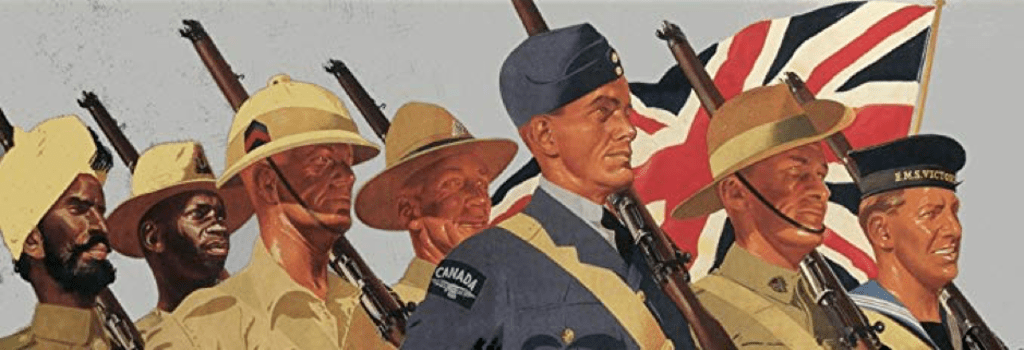
David Kenrick. Contemporary political discourse in Britain is saturated by sepia-tinged memorialisation of the Second World War. Parties across the country’s growing political divide invoke slogans and imagery redolent of the ‘blitz spirit’ or ‘going it alone’. Far from being a recent development, politicians have long sought to use these memories for contemporary purposes. In…
-

Mo Moulton’s ‘Mutual Admiration Society’: How Dorothy L. Sayers and her Oxford circle remade the world for women
Mo Moulton. In 1912, Dorothy L. Sayers and five friends founded a writing group at Somerville College, Oxford; they dubbed themselves the ‘Mutual Admiration Society.’ Barred, initially, from receiving their degrees despite taking classes and passing exams, the women battled for a truly democratic culture that acknowledged their equal humanity, pushing boundaries in reproductive rights,…
-

Running Tudor England’s Second City: The Accounts of the Chamberlains of Norwich, 1539-45
All information cited in the body of this text are taken from Rawcliffe, C, The Norwich Chamberlains Accounts 1539-40 to 1544-45. vol. 83, Norfolk Records Society, (Norwich, 2019). Please consult this volume if you wish to follow up and reference anything below. Carole Rawcliffe. Accounts are an important source of evidence for students of late…
 History blog archive