Category: Central Europe
-
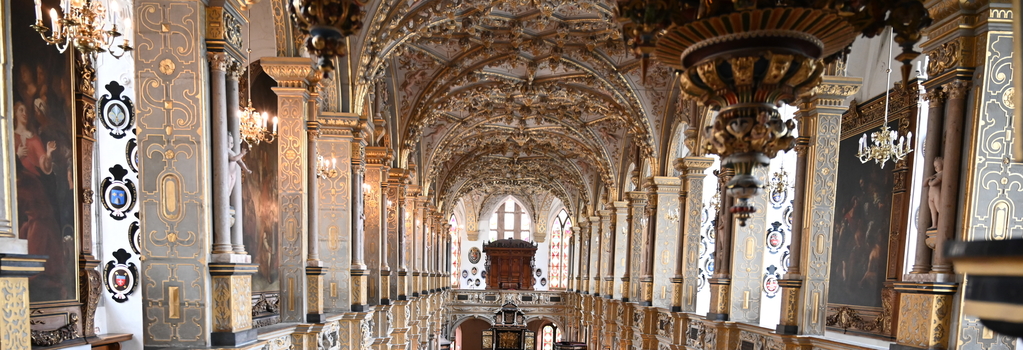
The court chapel’s position in Early Modern Europe: a methodological approach
By Manos Vakondios The “court chapel across religious boundaries” is my PhD project, part of the wider MSCA project PALAMUSTO (Palace Museum of Tomorrow)[1]. Together with nine other PhD theses, palatial spaces, concepts, and infrastructures are addressed and explored by colleagues in universities and museum institutions across Europe.[2] The research focus of my doctoral project…
-
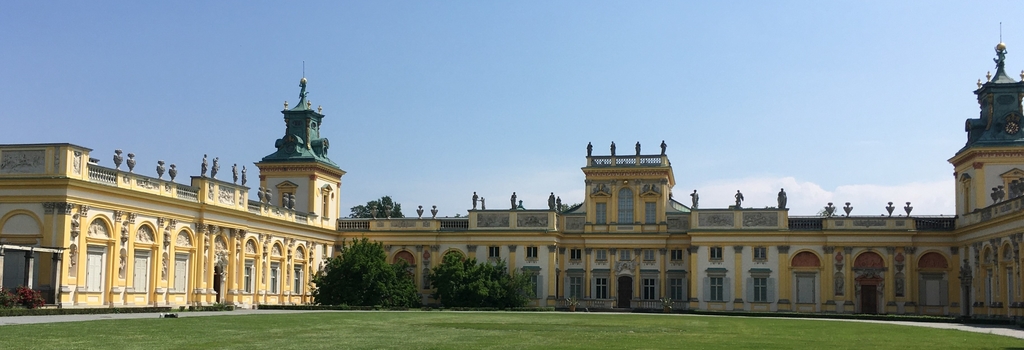
A Royal Bedroom: Gender, Class and Material Culture
By Esther Griffin van Orsouw For my PhD research at the University of Warsaw, I investigate the consumption of art by the Sobieski family and their contemporaries in the late 17th and early 18th century in relation to space. I consider what type of objects the royals surrounded themselves with, whether they favoured any objects…
-
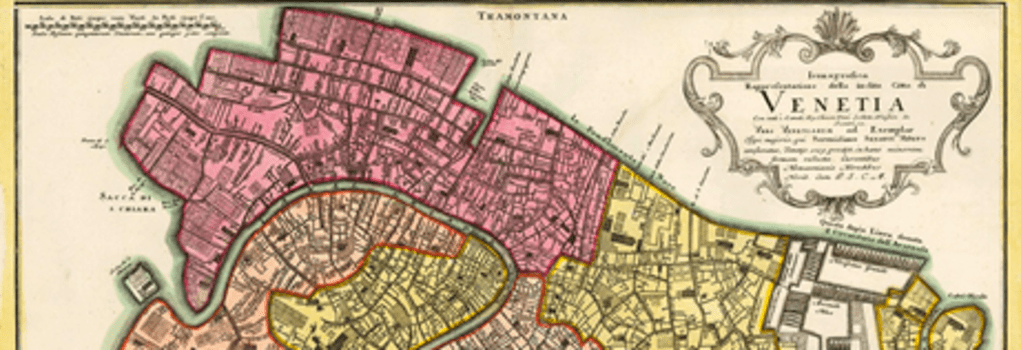
A Sexual Tour of Venice: Mapping a Sixteenth-Century Catalogue of Courtesans
By Hannah Johnston Sometime around 1565, a price-list of Venice’s cortigiane oneste, or “honest courtesans,” who served the city’s upper echelons, was published in Venice.[1] Titled Il catalogo di tutte le principali et più honorate cortigiane di Venezia (“The Catalogue of All the Principal and Most Honored Courtesans of Venice,” hereafter “the catalogue”), the catalogue…
-

The Palace Museum of Tomorrow
By Esther Griffin – van Orsouw Stories of royal and noble courts capture the imagination of millions of people all over the world. If we look at the offer on streaming services, we see historical titles such as ‘The Other Boleyn Girl’, ‘Versailles’, ‘The Cook of Castamar’, ‘The Last Czars’, and ‘Downton Abbey’, to name…
-

The History of Emotions: A Four Volume Sourcebook
KATIE BARCLAY, with FRANÇOIS SOYER, is editor of Emotions in Europe, 1517-1914 (Routledge, 2020), a four volume sourcebook. Here she talks to History about the work. History: What was the inspiration behind this project? Katie: I’ve been teaching History of Emotions courses for several years now and had been developing a series of resources to support students…
-

Communications and Complaints: Revisiting Nineteenth-Century Germany
JEAN-MICHEL JOHNSTON We’ve all been there: a patchy Zoom connection, an interrupted online transaction, a YouTube video that just won’t load. We all recognise the everyday frustrations that come with the malfunctioning of the Internet, even as we celebrate ever faster broadband or cheaper mobile data allowances. Communications networks don’t always fulfil their promises, but…
-

Feeling Sickness: Emotional responses to pandemic diseases
DR MONICA O’BRIEN It’s a wintery afternoon and, once again, I’m scrolling through news articles about Covid-19. Since countries entered their first lockdowns, much has been written on the pandemic’s emotional and psychological impacts. Loss, loneliness, fear, stress, anger; these emotions figure prominently in many narratives of the pandemic. It seems that emotional consequences will…
-

Hospitals for All?
Barry Doyle As the nation struggles with the most pervasive health crisis for one hundred years, the central role of hospitals as community resources for all, irrespective of residence, nationality or ethnic background, is obvious. Today we would expect patients to be treated solely on medical need. Yet in the interwar period, an era of…
 History blog archive