Category: Collecting
-
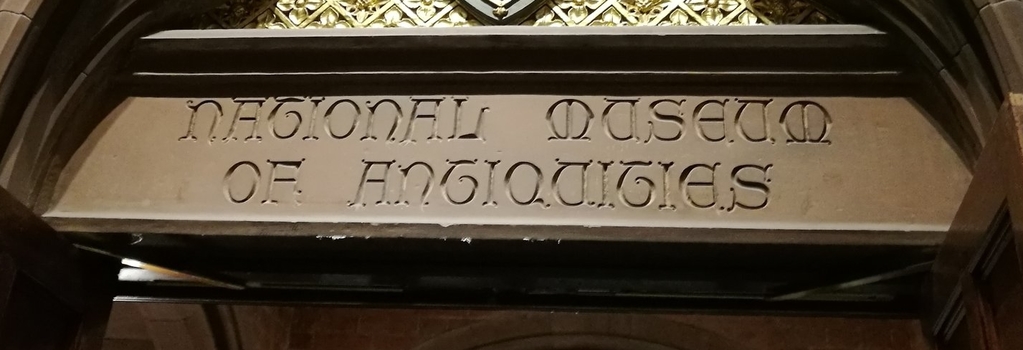
Women collectors, Lady Associates and the Society of Antiquaries of Scotland
By Julie Holder When I tell people that I research the nineteenth-century history of the Society of Antiquaries of Scotland, a very specific idea of an ‘antiquary’ comes to mind: white, male, and middle or upper class. And to a great extent this view is correct. However, that does not mean that women were not…
-
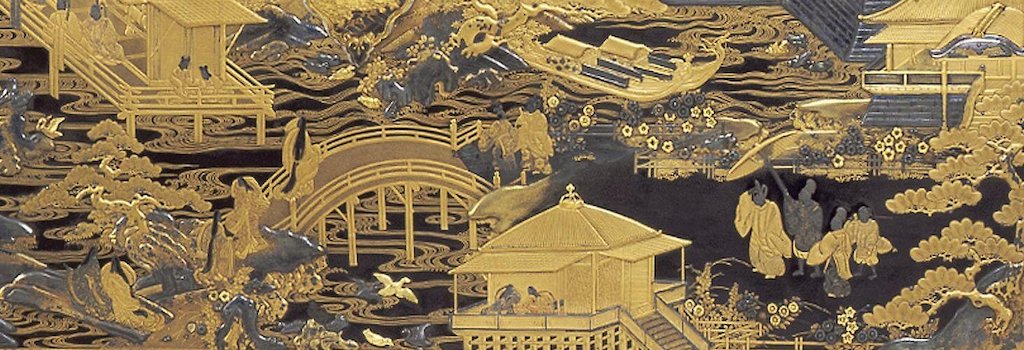
Lacquer as Art and Medicinal Material in Early Modern England
CHENG HE Look up the word ‘lacquer’ in an art dictionary, or on Google, and you usually find the word ‘varnish’; a sticky liquid applied to the surface of objects to form a shiny coating. The word can also refer to the objects coated with varnish themselves, which are sometimes decorated with additional materials like…
-

Stitches of Resistance: Reclaiming the Narratives of the Enslaved Seamstresses in Martha Washington’s Purple Silk Gown
DR CYNTHIA E. CHIN A single object was the subject of my doctoral dissertation: a heavily faded purple silk gown owned and worn by Martha Dandridge Custis Washington (1731-1802), the wife of ‘His Excellency’, President George Washington. One of three surviving intact dresses belonging to Washington, the garment visibly still retains her embodied presence. The…
-

Collecting Contexts – Why Do We Collect?
WILL BURGESS During the summer of 2019, I volunteered at the V&A’s Lansbury Micro Museum in Poplar, East London, to help run an exhibition called For the Love of Things. The exhibition put the personal collections of the museum’s visitors on display, its shelves changing throughout the summer as people contributed different groups of objects: antique…
-

Material Culture and Identities: The Case of Eighteenth Century Toby Jugs
KERRY LOVE A main principle of material culture theory (the study of objects and their relationships to people) is that they can reflect or shape the people who lived alongside them in any given time. I have always enjoyed studying objects more than any other kind of source because the process gave me a direct…
-

Using Scrapbooks as Historical Sources
Cherish Watton. Think of any topic, and someone, somewhere, has probably made a scrapbook on it. People scrapbooked on things which were important to them; family, friendships, professional activity, popular culture, political, and associational activity. Scrapbooks didn’t just document family life. Politicians and diplomats turned to scrapbooks to record their careers and were often acknowledged…
 History blog archive