Category: Decolonisation
-

How to Run an Empire: Early Modern Style
L.H. Roper Dr C. Annemieke Romein recently offered a very helpful discussion here of how the habitual misunderstanding and misuse of nineteenth-century characterisations of ‘-isms’ and ‘the state’ continue to obscure our understanding of the nature and history of European government prior to 1789. With Dr Romein’s permission and assistance, this post will extend her…
-
Edgerton & Empire: Nationalism, Imperialism and Decolonisation
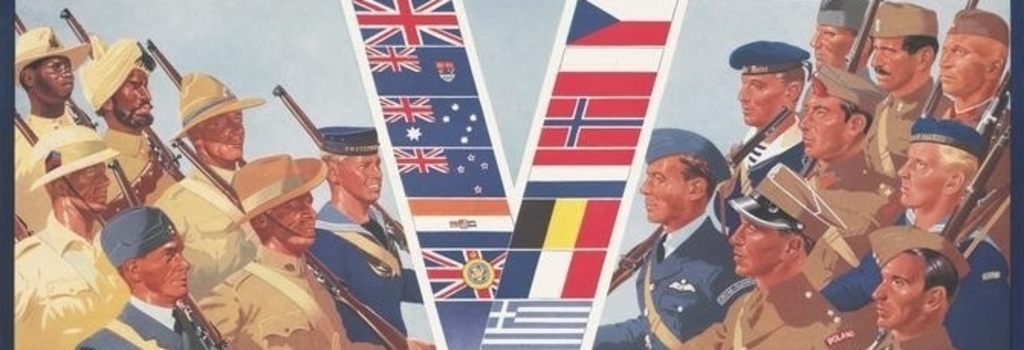
Liam Liburd One of the indirect and unintended side-effects of the tragic murder of George Floyd by an officer of the Minneapolis Police Department in late May has been a renewed effort to confront Britain’s own history of racism, especially that in the form of colonialism. Activists have taken aim at the symbols of this…
-

Worrying about the Field of the History of Emotions in Ireland – A report
Sara Honarmand Ebrahimi Back in November, when the world was still in a relatively ‘normal’ state, I asked Dr Hannah Parker about the possibly of writing a report for the new History website concerning a series of events I was organising under the title, “Worrying about the Field of the History of Emotions in Ireland”.…
-

Gender, Nation and Decolonisation in Indian Cinema, 1947-1975
Lucy Inskip Cinema can help us to trace the process of decolonisation after 1947 in India. The direction of Indian cinema changed not only with independence but also in the decades that followed, while India’s post-independence modernity project wavered, especially during the cynicism and extra-parliamentary challenge of the 1970s. Whilst political commentary by cultural producers…
-

What Does ‘Inclusion’ Include?: Making Space for Students
Erin Katherine Krafft One of the courses that I teach most frequently is a social theory course for students in their second year of college. I teach no first-year courses, so the students are new to me, and I am new to them. On the first day, facing these twenty-five strangers (or fifty – I…
-
Do Mention the War: Discourses of Sacrifice and Obligation in White Rhodesian Society, 1964-1965
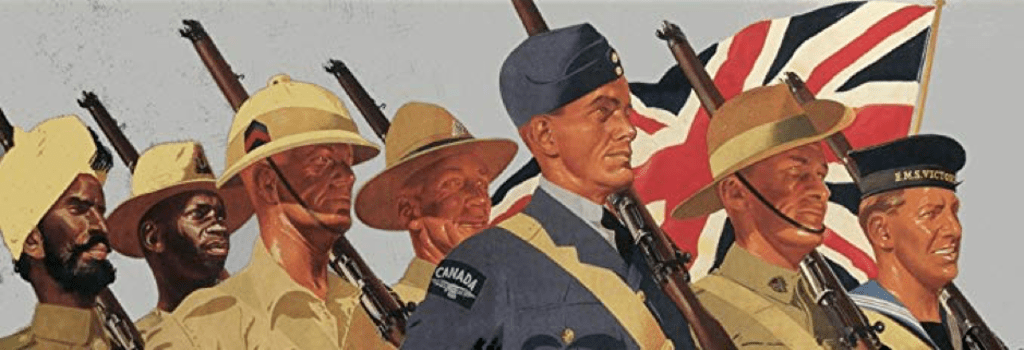
David Kenrick. Contemporary political discourse in Britain is saturated by sepia-tinged memorialisation of the Second World War. Parties across the country’s growing political divide invoke slogans and imagery redolent of the ‘blitz spirit’ or ‘going it alone’. Far from being a recent development, politicians have long sought to use these memories for contemporary purposes. In…
 History blog archive