Category: Early Modern
-
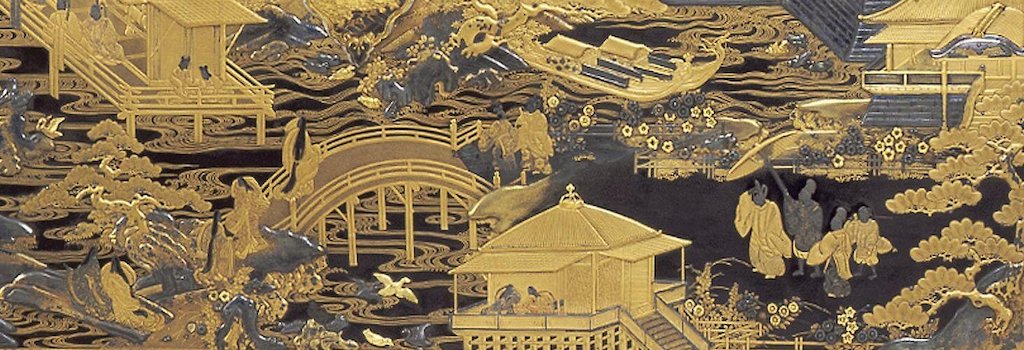
Lacquer as Art and Medicinal Material in Early Modern England
CHENG HE Look up the word ‘lacquer’ in an art dictionary, or on Google, and you usually find the word ‘varnish’; a sticky liquid applied to the surface of objects to form a shiny coating. The word can also refer to the objects coated with varnish themselves, which are sometimes decorated with additional materials like…
-
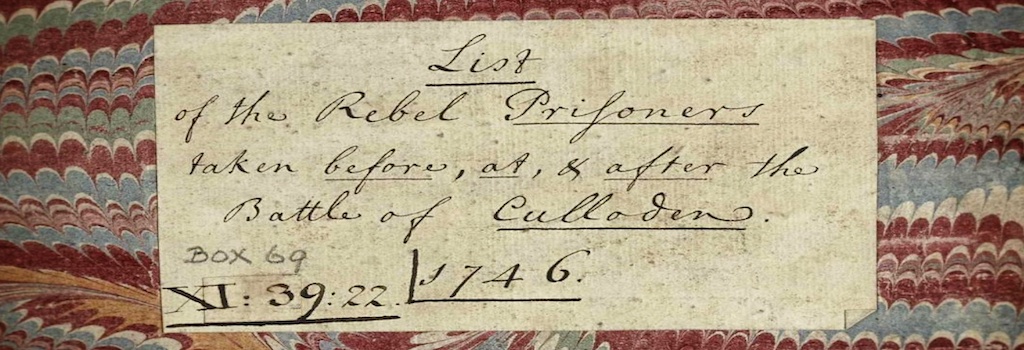
Analysing Jacobite Prisoner Lists with JDB45
Analogous Analysis Paralysis: The Stultifying Weltschmerz of Jacobite Prisoner Lists DR DARREN SCOTT LAYNE Now nearly three centuries on from Jacobitism’s imminent threat to the British post-revolution state, the movement’s historical record is still a living entity with plenty of room for growth. To wit, the demographic characteristics of both domestic and international participation in…
-

Richard III, the Princes in the Tower, and Thomas More – answers to the mystery?
PROFESSOR TIM THORNTON The fascination evoked by Richard III and the mystery of the ‘princes in the Tower’ continues to grow. The discovery of Richard’s body under a carpark in 2012 and his reburial in Leicester Cathedral in 2015 drew international attention, and a stellar team led by Steve Coogan and Steven Frears will shortly…
-

Feeling Sickness: Emotional responses to pandemic diseases
DR MONICA O’BRIEN It’s a wintery afternoon and, once again, I’m scrolling through news articles about Covid-19. Since countries entered their first lockdowns, much has been written on the pandemic’s emotional and psychological impacts. Loss, loneliness, fear, stress, anger; these emotions figure prominently in many narratives of the pandemic. It seems that emotional consequences will…
-
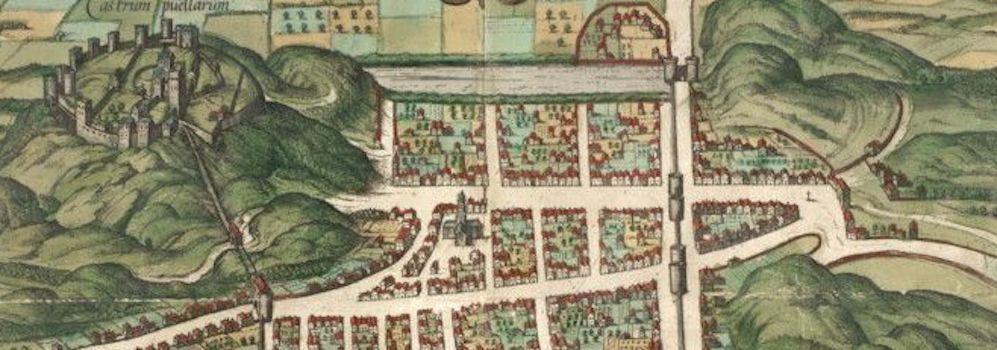
Role Theory and Protestant Spirituality in Early Modern Scotland
CIARAN JONES I recently submitted my PhD thesis on Protestant spirituality in early modern Scotland. Focussing on witchcraft trials, my thesis was mainly concerned with how your average seventeenth-century peasant articulated certain spiritual ideas. Using mostly manuscript records of witchcraft trial confessions as my source base, I compared how these ideas were expressed in different but related…
-

John Stearne’s Confirmation and discovery of witchcraft
New Book Interview: Scott Eaton, John Stearne’s Confirmation and Discovery of Witchcraft: Text, Context and Afterlife (Routledge, 2020). History: How did this project develop? Where did your interest in the subject originate? Scott: My interest in the history of witchcraft started during my BA at Ulster University when I took a module on European witchcraft and completed a…
-
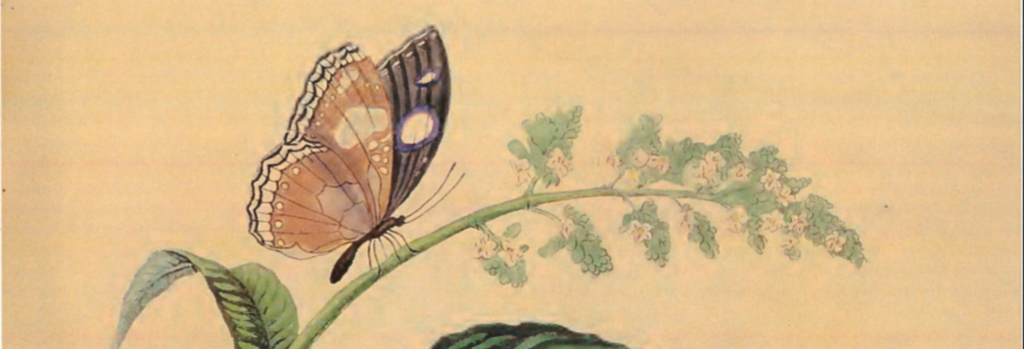
James Forbes’ Mango and the Art of British Indian Empire
Apurba Chatterjee In 1765, James Forbes, a mere Scottish lad of less than sixteen years of age, set sail to India following his appointment as a Writer for the English East India Company (EIC) in Bombay. Forbes was to stay in India for eighteen years, and he gradually rose to prominence as the Collector of…
-

How to Run an Empire: Early Modern Style
L.H. Roper Dr C. Annemieke Romein recently offered a very helpful discussion here of how the habitual misunderstanding and misuse of nineteenth-century characterisations of ‘-isms’ and ‘the state’ continue to obscure our understanding of the nature and history of European government prior to 1789. With Dr Romein’s permission and assistance, this post will extend her…
-

Healing the Whig schism: 300 years on
Robin Eagles Fractures within political parties are nothing new. In 1717, the apparent unity that the Hanoverian accession had instilled in the Whigs came to an end amid infighting over direction of policy and disagreement over who was to hold what post in the new administration.[1] It was a fissure that was to last almost…
-

Running Tudor England’s Second City: The Accounts of the Chamberlains of Norwich, 1539-45
All information cited in the body of this text are taken from Rawcliffe, C, The Norwich Chamberlains Accounts 1539-40 to 1544-45. vol. 83, Norfolk Records Society, (Norwich, 2019). Please consult this volume if you wish to follow up and reference anything below. Carole Rawcliffe. Accounts are an important source of evidence for students of late…
 History blog archive