Category: Visual Culture
-

The Francoist appropriation of the popular festival
Fig 1: Franco and members of the Seville government in a Holy Week procession in 1940 By Claudio Hernández Burgos and César Rina When it comes to understanding contemporary cultural processes and political dynamics, the study of festivals and popular rituals has traditionally occupied a secondary and anecdotal position in historiography. It has been interpreted as…
-
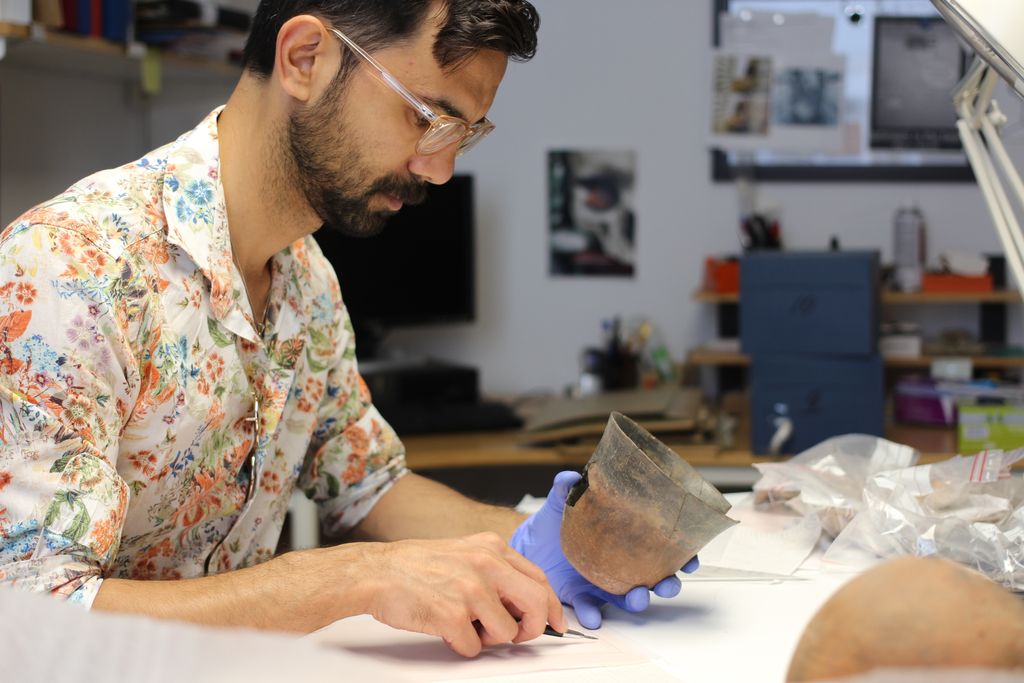
Egyptian? Or Nubian? Asking questions of objects
By Aaron de Souza For the last ten years or so I’ve been deeply interested in ancient Nubian cultures of the Second Millennium BCE – in particular the so-called ‘Pan-Grave’, ‘C-Group’ and ‘Kerma’ cultures.[1] I can’t tell you exactly what about them it is that intrigues me so much, but a big part is the…
-
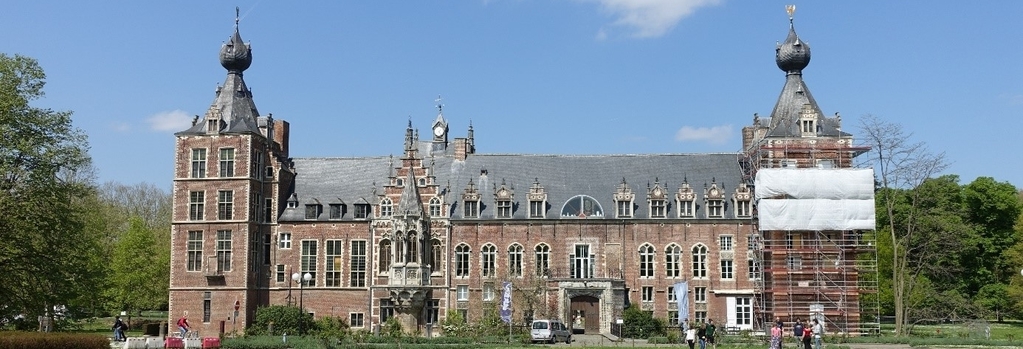
Researching (from) a Ducal Residence: the Tower Apartment of Mary of Hamal at the Castle of Heverlee
By Miara Fraikin In March 2020 – not the best timing to be honest – I started my PhD research within the Horizon 2020 funded European Training Network PALAMUSTO (Palace Museum of Tomorrow). Uniting ten researchers from nine hosting institutions in five European countries, this research project aims to investigate the court residence or palace…
-
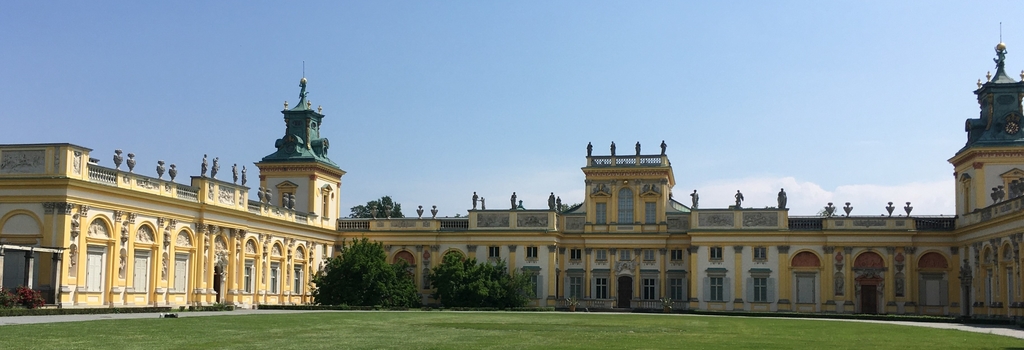
A Royal Bedroom: Gender, Class and Material Culture
By Esther Griffin van Orsouw For my PhD research at the University of Warsaw, I investigate the consumption of art by the Sobieski family and their contemporaries in the late 17th and early 18th century in relation to space. I consider what type of objects the royals surrounded themselves with, whether they favoured any objects…
-
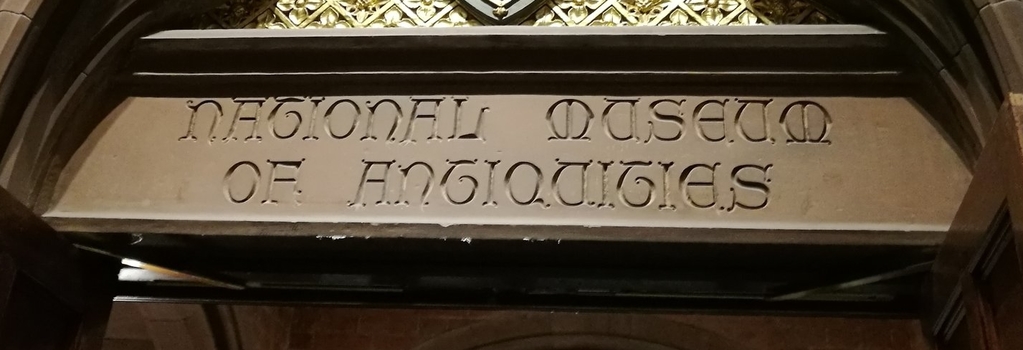
Women collectors, Lady Associates and the Society of Antiquaries of Scotland
By Julie Holder When I tell people that I research the nineteenth-century history of the Society of Antiquaries of Scotland, a very specific idea of an ‘antiquary’ comes to mind: white, male, and middle or upper class. And to a great extent this view is correct. However, that does not mean that women were not…
-

The Palace Museum of Tomorrow
By Esther Griffin – van Orsouw Stories of royal and noble courts capture the imagination of millions of people all over the world. If we look at the offer on streaming services, we see historical titles such as ‘The Other Boleyn Girl’, ‘Versailles’, ‘The Cook of Castamar’, ‘The Last Czars’, and ‘Downton Abbey’, to name…
-
Lacquer as Art and Medicinal Material in Early Modern England
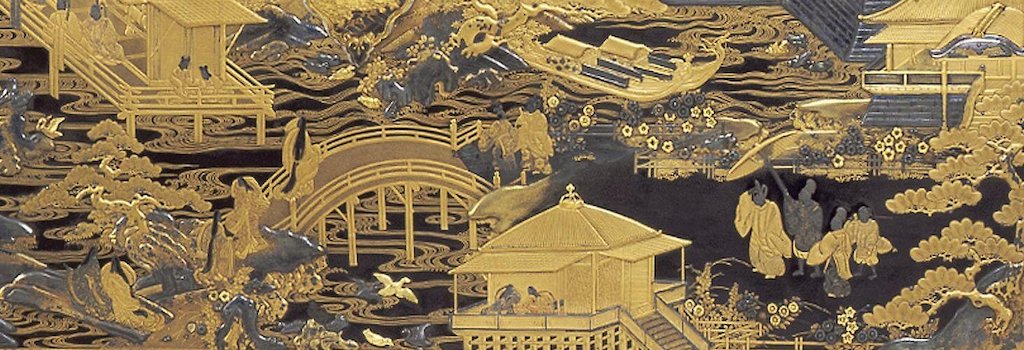
CHENG HE Look up the word ‘lacquer’ in an art dictionary, or on Google, and you usually find the word ‘varnish’; a sticky liquid applied to the surface of objects to form a shiny coating. The word can also refer to the objects coated with varnish themselves, which are sometimes decorated with additional materials like…
-
Saints, Beggars and Scapegoats
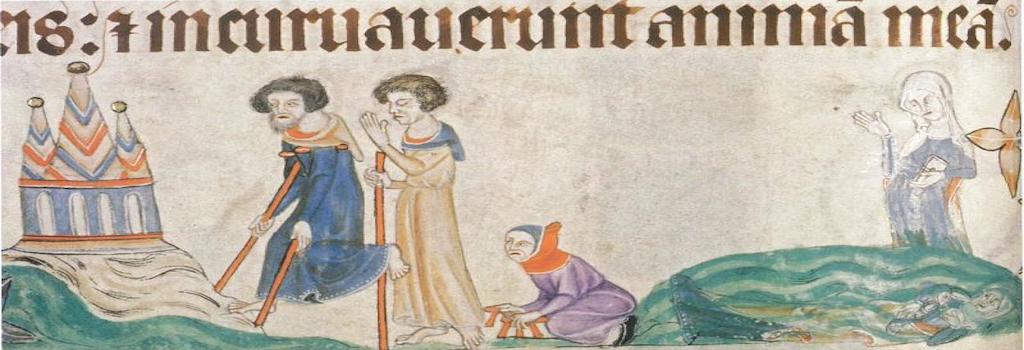
Why depictions of status and disability in the Early Middle Ages still matter JUTTA LAMMINAHO ‘A lame man crawling along on his hands led a blind man to the paupers’ hostel at St Gall, where both of them stayed the night, and were both healed at the tomb.’ – Walafrid Strabo, Life of St Otmar[1]…
-
Reflections on ‘The World At War’
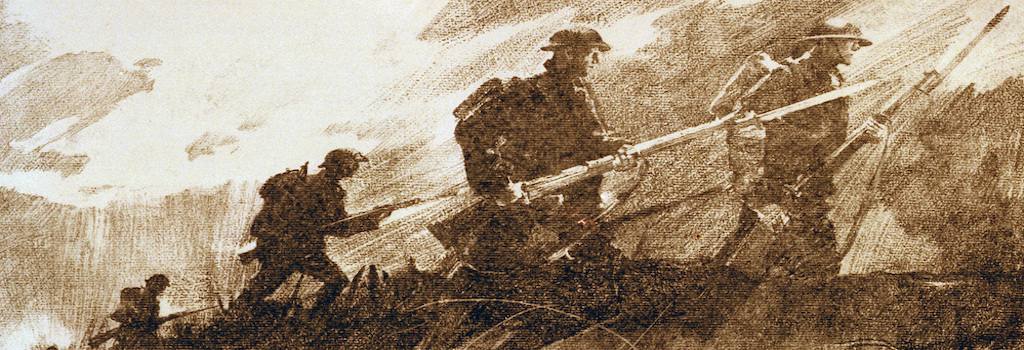
DANIEL ADAMSON I was recently intrigued to find a repeat of the 1973 documentary The World at War buried in the depths of Freeview television. Across 26 hour-long episodes, this series chronicled the course of the Second World War and charted the key experiences of the conflict. The reputation of The World at War preceded the programme: in 2000,…
-
What It Feels Like for a Girl: Gendering the History of the Senses
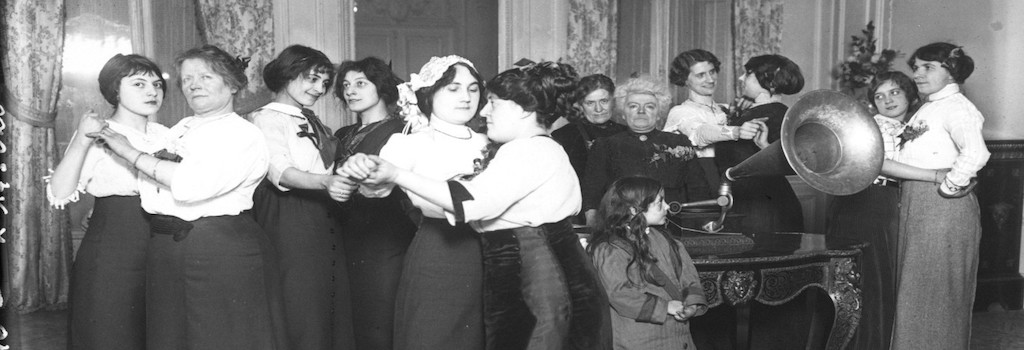
SASHA RASMUSSEN When asked to describe my work, I tend to say that my research sits at the intersection of gender and sensory histories. Gender as a lens of historical analysis has by now been widely adopted, but the concept of ‘sensory history’ may need further explanation. To my mind, sensory history has an immediate…
 History blog archive