Category: Western Europe
-

The Francoist appropriation of the popular festival
Fig 1: Franco and members of the Seville government in a Holy Week procession in 1940 By Claudio Hernández Burgos and César Rina When it comes to understanding contemporary cultural processes and political dynamics, the study of festivals and popular rituals has traditionally occupied a secondary and anecdotal position in historiography. It has been interpreted as…
-
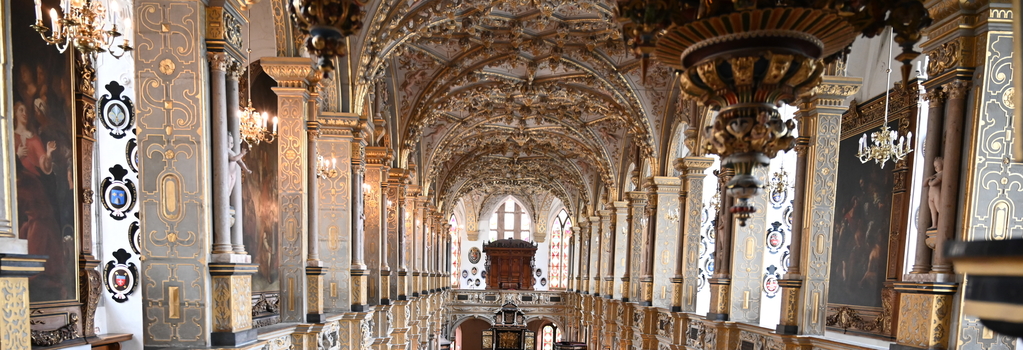
The court chapel’s position in Early Modern Europe: a methodological approach
By Manos Vakondios The “court chapel across religious boundaries” is my PhD project, part of the wider MSCA project PALAMUSTO (Palace Museum of Tomorrow)[1]. Together with nine other PhD theses, palatial spaces, concepts, and infrastructures are addressed and explored by colleagues in universities and museum institutions across Europe.[2] The research focus of my doctoral project…
-

‘Here terrible portents’: Famine as a Catalyst for the first Viking raids?
By Tenaya Jorgensen As an Environmental Historian, I am keenly interested in how humans have responded to climate pressures and weather extremes in the past, and what we can learn from these responses today. One aspect of my doctoral research compares periods of violence against temperature and precipitation during the early Viking Age, c. 790-920.…
-

Why is the HIstory of Emotions So Important?
ASHLEIGH WILSON The History of Emotions has become a vital field of historical research within contemporary academic discussions. Able to provide insight into the emotional history of a particular event, society and culture, this thematic approach has allowed for a nuanced understanding of the past. As a current undergraduate student, I have become deeply fascinated…
-
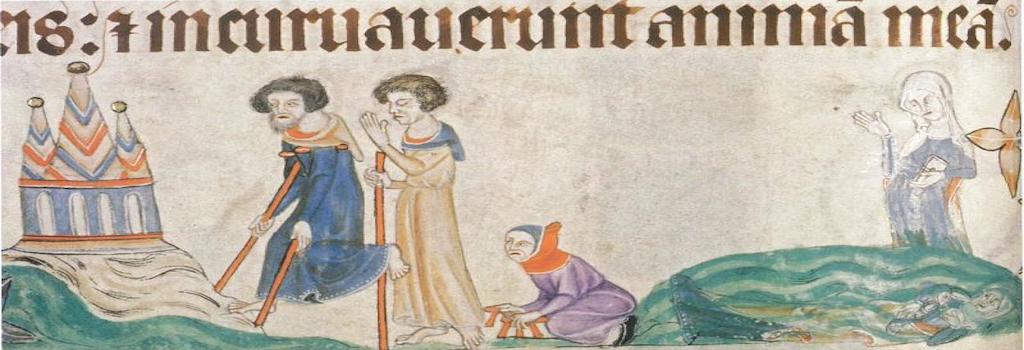
Saints, Beggars and Scapegoats
Why depictions of status and disability in the Early Middle Ages still matter JUTTA LAMMINAHO ‘A lame man crawling along on his hands led a blind man to the paupers’ hostel at St Gall, where both of them stayed the night, and were both healed at the tomb.’ – Walafrid Strabo, Life of St Otmar[1]…
-

Communications and Complaints: Revisiting Nineteenth-Century Germany
JEAN-MICHEL JOHNSTON We’ve all been there: a patchy Zoom connection, an interrupted online transaction, a YouTube video that just won’t load. We all recognise the everyday frustrations that come with the malfunctioning of the Internet, even as we celebrate ever faster broadband or cheaper mobile data allowances. Communications networks don’t always fulfil their promises, but…
-
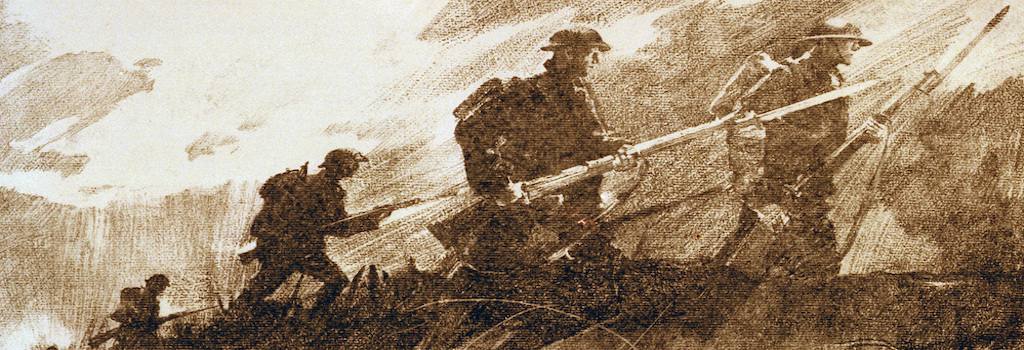
Reflections on ‘The World At War’
DANIEL ADAMSON I was recently intrigued to find a repeat of the 1973 documentary The World at War buried in the depths of Freeview television. Across 26 hour-long episodes, this series chronicled the course of the Second World War and charted the key experiences of the conflict. The reputation of The World at War preceded the programme: in 2000,…
-

HMT Dunera 80 years on: How rough justice changed the life of a child refugee to Britain
DR RACHEL PISTOL AND DR MELISSA STRAUSS 2020 marks the 80th anniversary of when 2,546 men were deported from Britain to Australia on the HMT Dunera. The convict ships of the eighteenth and nineteenth centuries may have ceased their travels some 70 years before but that did not stop the British government from again calling on Australia…
-

Print Culture and the Formation of the Anarchist Movement in Spain, 1890-1915
…or, how I learned to stop worrying and love the book… James Michael Yeoman This is the second of a two-part discussion, which explores the creation and contents of my book, Print Culture and the Formation of the Anarchist Movement in Spain, 1890-1915, which was published last autumn. In part I, discussed my relationship with…
-

Print Culture and the Formation of the Anarchist Movement in Spain, 1890-1915
…or, how I learned to stop worrying and love the book… James Michael Yeoman This is the first of a two-part discussion which explores the creation and contents of my book, Print Culture and the Formation of the Anarchist Movement in Spain, which was published last autumn. While the second part of the discussion will…
 History blog archive