Category: Material History
-

Replacing Ireland’s Lost Records: Doing Public History with the Beyond 2022 Project
By Elizabeth Biggs One hundred years ago, in the spring and early summer of 1922, the Public Record Office of Ireland in the Four Courts complex in Dublin was occupied by anti-Treaty forces, with Rory O’Connor as one of their leaders. They were opposed to the Anglo-Irish Treaty of the previous year, which they felt…
-
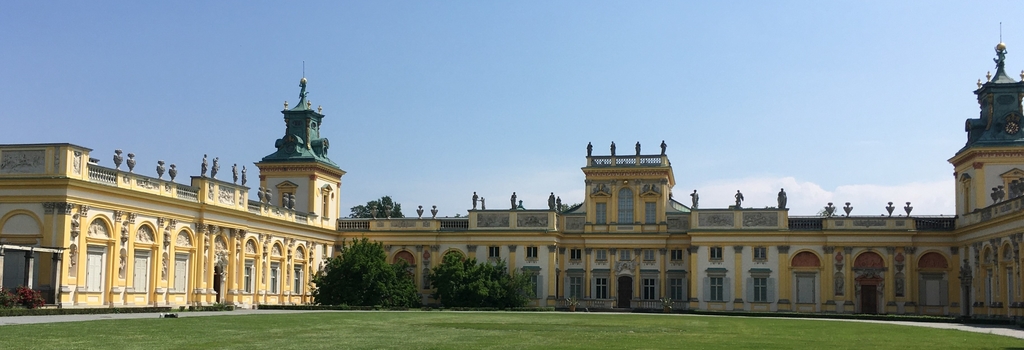
A Royal Bedroom: Gender, Class and Material Culture
By Esther Griffin van Orsouw For my PhD research at the University of Warsaw, I investigate the consumption of art by the Sobieski family and their contemporaries in the late 17th and early 18th century in relation to space. I consider what type of objects the royals surrounded themselves with, whether they favoured any objects…
-
Women collectors, Lady Associates and the Society of Antiquaries of Scotland
By Julie Holder When I tell people that I research the nineteenth-century history of the Society of Antiquaries of Scotland, a very specific idea of an ‘antiquary’ comes to mind: white, male, and middle or upper class. And to a great extent this view is correct. However, that does not mean that women were not…
-
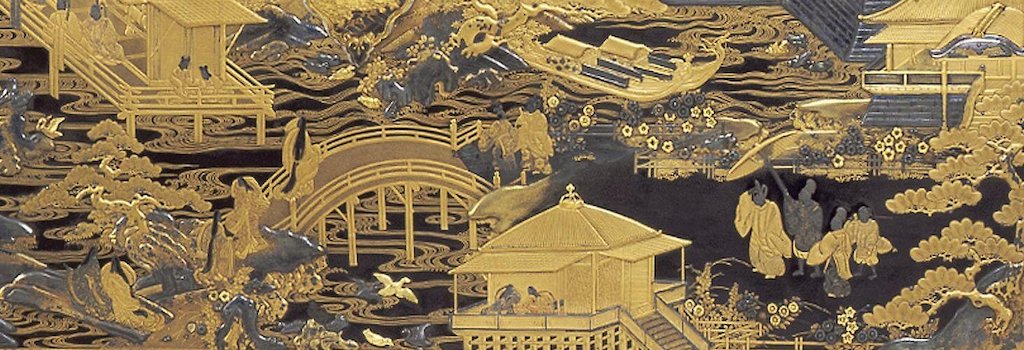
Lacquer as Art and Medicinal Material in Early Modern England
CHENG HE Look up the word ‘lacquer’ in an art dictionary, or on Google, and you usually find the word ‘varnish’; a sticky liquid applied to the surface of objects to form a shiny coating. The word can also refer to the objects coated with varnish themselves, which are sometimes decorated with additional materials like…
-

Stitches of Resistance: Reclaiming the Narratives of the Enslaved Seamstresses in Martha Washington’s Purple Silk Gown
DR CYNTHIA E. CHIN A single object was the subject of my doctoral dissertation: a heavily faded purple silk gown owned and worn by Martha Dandridge Custis Washington (1731-1802), the wife of ‘His Excellency’, President George Washington. One of three surviving intact dresses belonging to Washington, the garment visibly still retains her embodied presence. The…
-

Using Scrapbooks as Historical Sources
Cherish Watton. Think of any topic, and someone, somewhere, has probably made a scrapbook on it. People scrapbooked on things which were important to them; family, friendships, professional activity, popular culture, political, and associational activity. Scrapbooks didn’t just document family life. Politicians and diplomats turned to scrapbooks to record their careers and were often acknowledged…
 History blog archive