Category: Gender
-

‘All Women United Fraternally against War and Fascism’: The Comité Mondial des Femmes contre la Guerre et le Fascisme
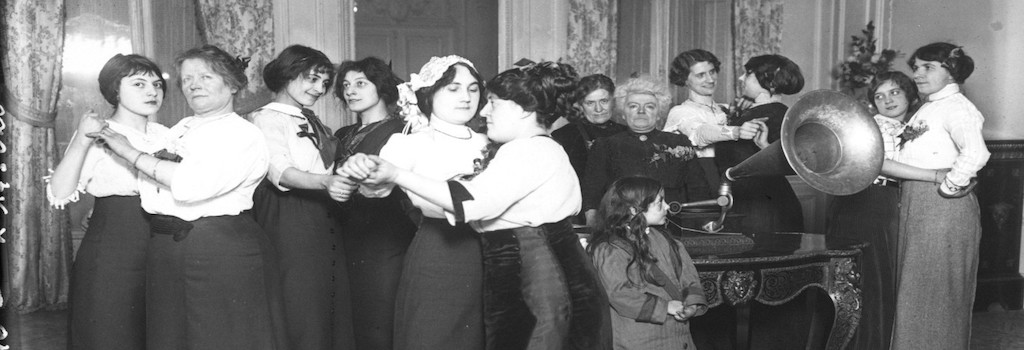
Fig 1: Demonstration of The Comité Mondial Des Femmes Contre la Guerre et le Fascisme demanding female vote By Dr Jasmine Calver Political discourse over the last few years has been dominated by discussions and warnings about extremism, particularly the rise of the new extreme right across the globe. How and why modern extremism attracts…
-

Co-Rulership and Power in Medieval Europe
Fig. 1 Henry II and his children, Royal 14 B VI, Membrane 6, British By Gabby Storey For most scholars of royal studies, the concepts of corporate or composite monarchies, now fusing with ideas of co-rulership, are important – though not always essential – approaches to apply to the study of monarchy. However, for monarchical studies,…
-

Finding Transgender Worlds in Late Medieval Iceland
By Basil Arnould Price Translations are the author’s own. On May 25, 2022, software engineer Helen Staniland streamed an interview with journalist Helen Joyce. During the interview, Joyce remarked: “…we have to try to limit the harm and that means reducing or keeping down the number of people who transition. That’s for two reasons –…
-
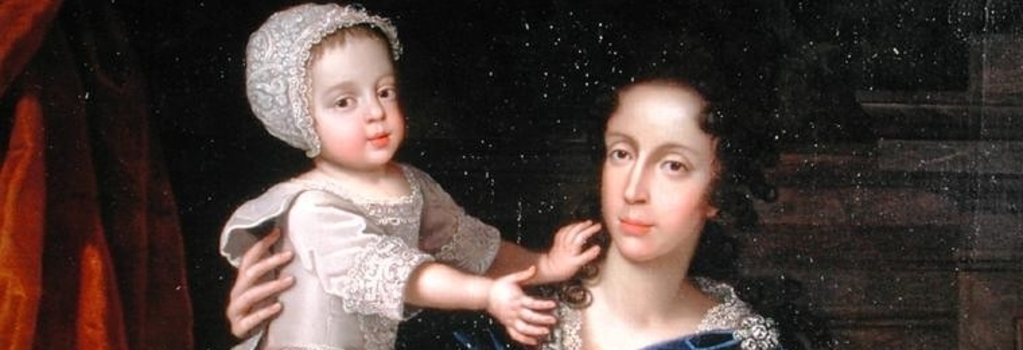
The Cat in the Cradle: Conspiracy Theories and Credible News, 1688 – and Now
By Laura Doak On 10 June 1688 a new Prince of Wales was born at St. James’s Palace, London, and whispers swept across Europe. Some claimed that the baby, born to King James VII & II and his queen, Mary of Modena, was a fake. Stories circulated that it was a plot to engineer counter-Reformation…
-
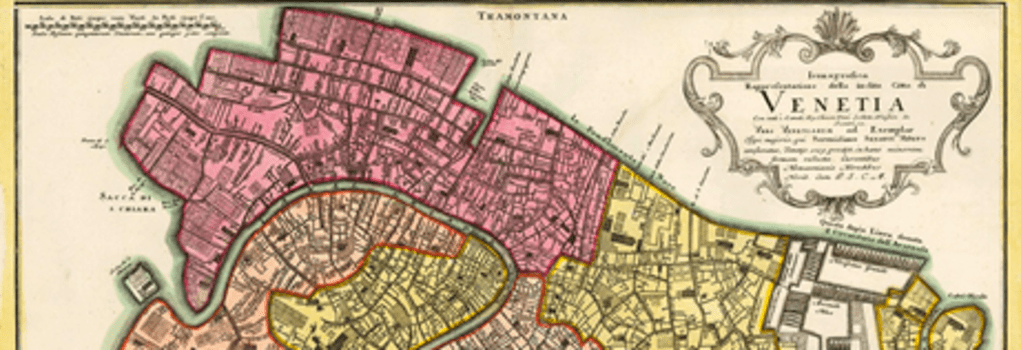
A Sexual Tour of Venice: Mapping a Sixteenth-Century Catalogue of Courtesans
By Hannah Johnston Sometime around 1565, a price-list of Venice’s cortigiane oneste, or “honest courtesans,” who served the city’s upper echelons, was published in Venice.[1] Titled Il catalogo di tutte le principali et più honorate cortigiane di Venezia (“The Catalogue of All the Principal and Most Honored Courtesans of Venice,” hereafter “the catalogue”), the catalogue…
-
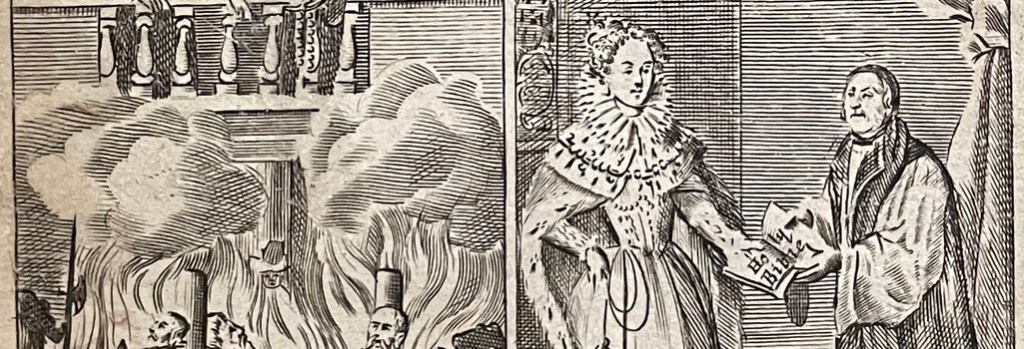
Celebrating the Accession Day of Elizabeth I of England, 1558 and Beyond
By Aidan Norrie On 17 November 1558, Elizabeth, daughter of Henry VIII and Anne Boleyn, succeeded to the throne of England and Ireland upon the death of her half-sister Mary I. She was England’s fourth monarch in eleven years (or fifth, if Jane Grey is counted), and it is not unreasonable to claim that her…
-
![‘”A celebrated correspondence between the charming Mrs C- formerly well-known in the fashionable World – & her Amiable Daughter”’: The Historical Importance of the letters of Hitty and Bess Canning.[1]](https://historyjournal.org.uk/wp-content/uploads/2021/11/rs-cover-image.jpg?w=1023)
‘”A celebrated correspondence between the charming Mrs C- formerly well-known in the fashionable World – & her Amiable Daughter”’: The Historical Importance of the letters of Hitty and Bess Canning.[1]
By Rachel Smith Whilst reading through the eighteenth-century Canning Family archive at the West Yorkshire Archive Service in Leeds, I came across a rather interesting letter from John Murray, a publisher, to a Mrs Butler. Dated 25th July 1912, he wrote that I gather from what Miss Routh and Mr. Duff told me that the…
-
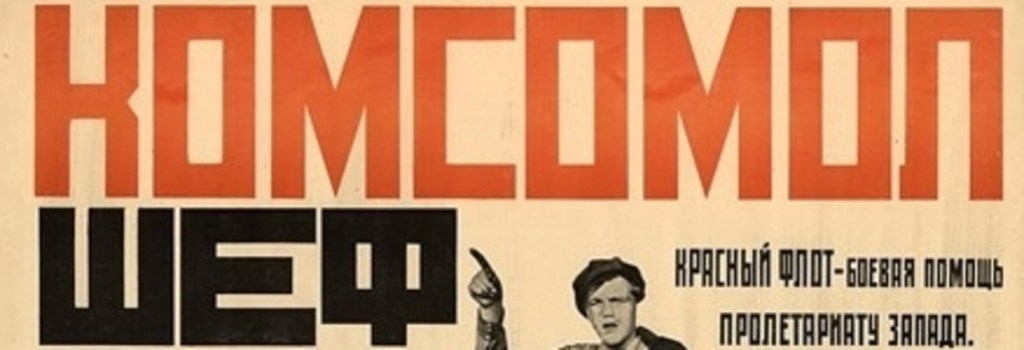
Face to Face Encounters: Letter-Writers and Portrait Photographs in the Russian State Archive
Hannah Parker On the final research trip for my PhD, I found some small portrait photographs of letter-writers in a file of between some hundred and a thousand 1925 letters to the editor of Krest’ianka – a series of biographies with enclosed photographs from their authors. Though, in my experience, group photographs were occasionally included…
-

Men and Feminism: Gender Equality in the Nordic Countries, 1960s to Present
DR HANNAH YOKEN I’m a Finnish historian who lived in the UK for nearly a decade. When I tell my British friends and colleagues where I’m from, they often respond with an air of admiration, complimenting the relatively egalitarian principles upon which Nordic social democracy has been built. Certainly, this notion that the Nordic countries are…
-
What It Feels Like for a Girl: Gendering the History of the Senses
SASHA RASMUSSEN When asked to describe my work, I tend to say that my research sits at the intersection of gender and sensory histories. Gender as a lens of historical analysis has by now been widely adopted, but the concept of ‘sensory history’ may need further explanation. To my mind, sensory history has an immediate…
 History blog archive