Category: Media and Culture
-

The Zainichi: between two countries, two names, and two languages
By Bomi Choi The New York Times bestseller Pachinko (2017), written by Korean American author Min Jin Lee, and the screen adaptation of the English-language novel on Apple TV+ in 2022, tell stories of Japan’s ethnic Koreans. The Japanese term Zainichi literally means ‘resident in Japan’, but it is commonly used to address its Korean…
-
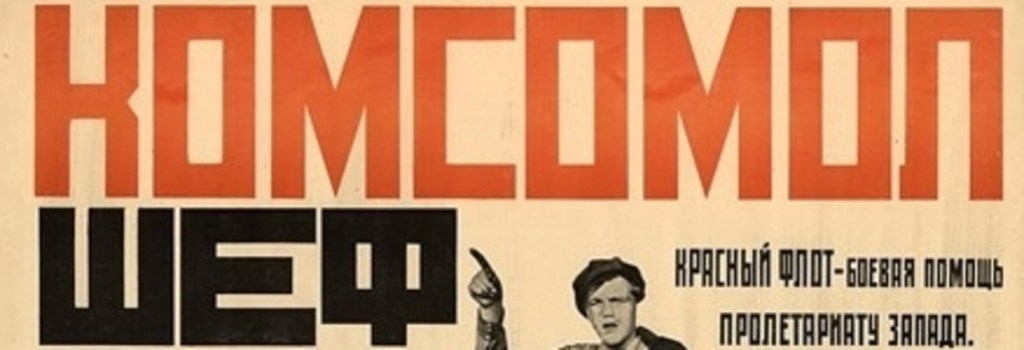
Face to Face Encounters: Letter-Writers and Portrait Photographs in the Russian State Archive
Hannah Parker On the final research trip for my PhD, I found some small portrait photographs of letter-writers in a file of between some hundred and a thousand 1925 letters to the editor of Krest’ianka – a series of biographies with enclosed photographs from their authors. Though, in my experience, group photographs were occasionally included…
-

Why is the HIstory of Emotions So Important?
ASHLEIGH WILSON The History of Emotions has become a vital field of historical research within contemporary academic discussions. Able to provide insight into the emotional history of a particular event, society and culture, this thematic approach has allowed for a nuanced understanding of the past. As a current undergraduate student, I have become deeply fascinated…
-
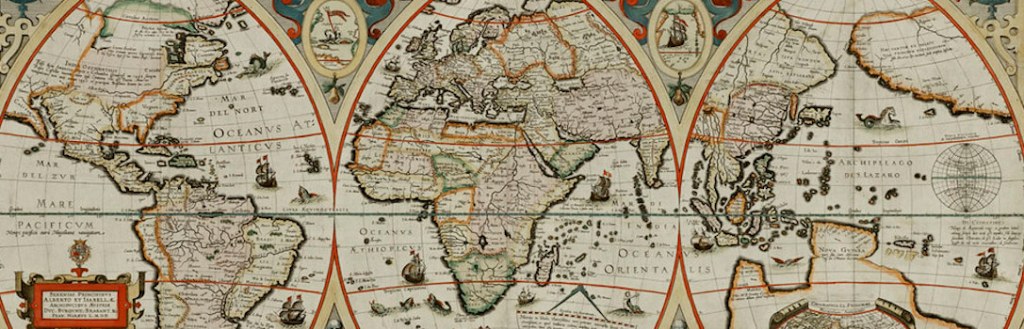
Will Africa be included in a global history of Covid-19?
ANNA ADIMA Over a year into the Covid-19 pandemic, one would be hard-pressed to deny that future history books will record this as a global milestone in the 21st century. Every individual around the world has in some way been affected by the virus; however, mainstream – Western – media remains guilty of underreporting the pandemic…
-

Communications and Complaints: Revisiting Nineteenth-Century Germany
JEAN-MICHEL JOHNSTON We’ve all been there: a patchy Zoom connection, an interrupted online transaction, a YouTube video that just won’t load. We all recognise the everyday frustrations that come with the malfunctioning of the Internet, even as we celebrate ever faster broadband or cheaper mobile data allowances. Communications networks don’t always fulfil their promises, but…
-
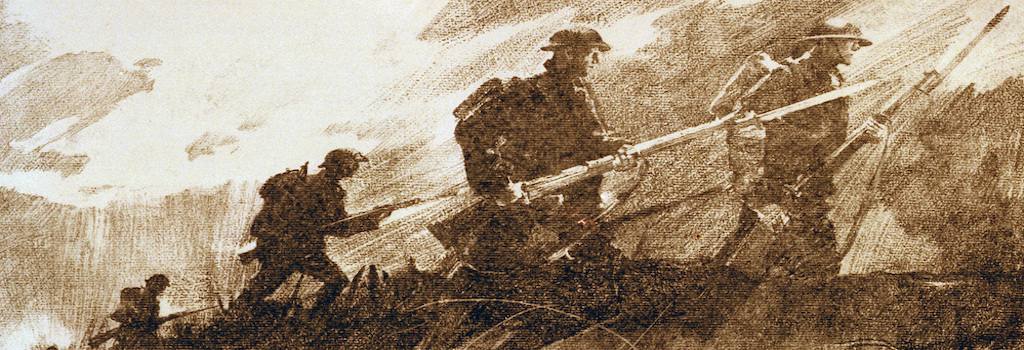
Reflections on ‘The World At War’
DANIEL ADAMSON I was recently intrigued to find a repeat of the 1973 documentary The World at War buried in the depths of Freeview television. Across 26 hour-long episodes, this series chronicled the course of the Second World War and charted the key experiences of the conflict. The reputation of The World at War preceded the programme: in 2000,…
-
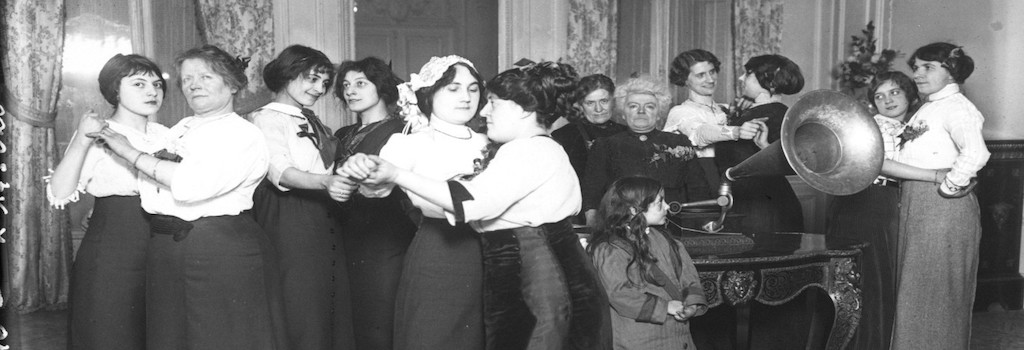
What It Feels Like for a Girl: Gendering the History of the Senses
SASHA RASMUSSEN When asked to describe my work, I tend to say that my research sits at the intersection of gender and sensory histories. Gender as a lens of historical analysis has by now been widely adopted, but the concept of ‘sensory history’ may need further explanation. To my mind, sensory history has an immediate…
-
Everyday Decolonisation: the local museum in 2020
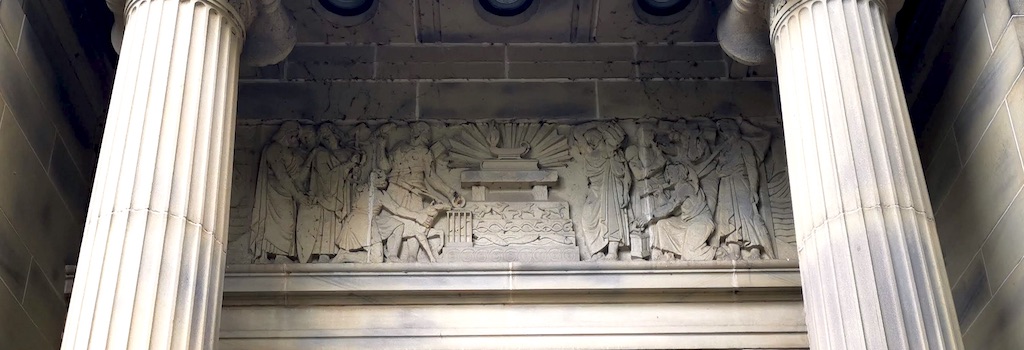
PIPPA LE GRAND A few Monday mornings ago, I stood outside Weston Park Museum, Sheffield, enjoying my job and welcoming visitors. There were few enough around that I was able to gaze at the frieze over the door and even discuss it at length with a colleague. The frieze, according to Sheffield Hallam’s Public Art Research…
-

A Global History of Sex and Gender
DR HANNAH TELLING What is gender history and why does it matter? For me, it is a discipline that provides a fascinating insight into the often-overlooked aspects of history. I was first introduced to gender history as an undergraduate and the University of Edinburgh, when I enrolled on a course called ‘Gender and Sexuality in…
-

Print Culture and the Formation of the Anarchist Movement in Spain, 1890-1915
…or, how I learned to stop worrying and love the book… James Michael Yeoman This is the second of a two-part discussion, which explores the creation and contents of my book, Print Culture and the Formation of the Anarchist Movement in Spain, 1890-1915, which was published last autumn. In part I, discussed my relationship with…
 History blog archive