Category: Women’s History
-
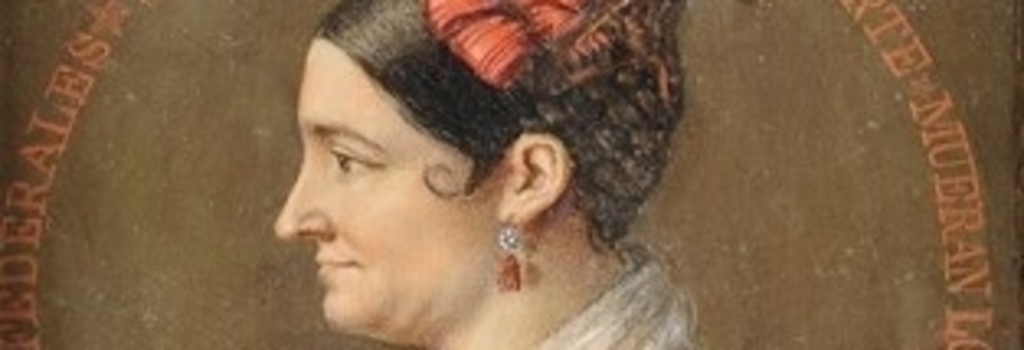
Portraits of Female Power in Argentina: Encarnación Ezcurra and Eva Perón
By Rachel Morgan The last three decades of the twentieth century have witnessed a boom in writings on Latin American women to the left of the political spectrum. When considering the topic of leftist Argentine women in power, the image of Eva Perón is inescapable: she was the impoverished and illegitimate child from Los Toldos…
-
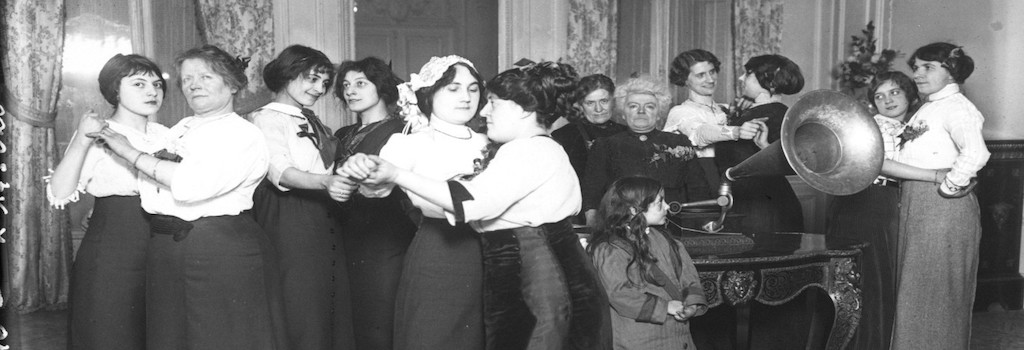
What It Feels Like for a Girl: Gendering the History of the Senses
SASHA RASMUSSEN When asked to describe my work, I tend to say that my research sits at the intersection of gender and sensory histories. Gender as a lens of historical analysis has by now been widely adopted, but the concept of ‘sensory history’ may need further explanation. To my mind, sensory history has an immediate…
-
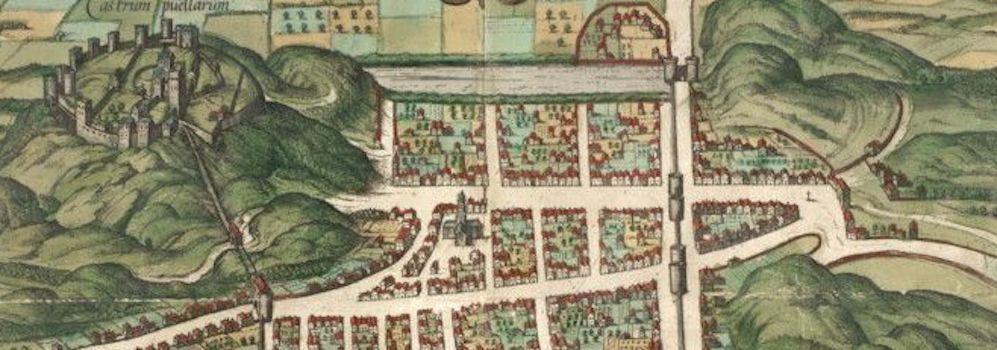
Role Theory and Protestant Spirituality in Early Modern Scotland
CIARAN JONES I recently submitted my PhD thesis on Protestant spirituality in early modern Scotland. Focussing on witchcraft trials, my thesis was mainly concerned with how your average seventeenth-century peasant articulated certain spiritual ideas. Using mostly manuscript records of witchcraft trial confessions as my source base, I compared how these ideas were expressed in different but related…
-

A Global History of Sex and Gender
DR HANNAH TELLING What is gender history and why does it matter? For me, it is a discipline that provides a fascinating insight into the often-overlooked aspects of history. I was first introduced to gender history as an undergraduate and the University of Edinburgh, when I enrolled on a course called ‘Gender and Sexuality in…
-

Using Scrapbooks as Historical Sources
Cherish Watton. Think of any topic, and someone, somewhere, has probably made a scrapbook on it. People scrapbooked on things which were important to them; family, friendships, professional activity, popular culture, political, and associational activity. Scrapbooks didn’t just document family life. Politicians and diplomats turned to scrapbooks to record their careers and were often acknowledged…
 History blog archive