Category: Pedagogy
-
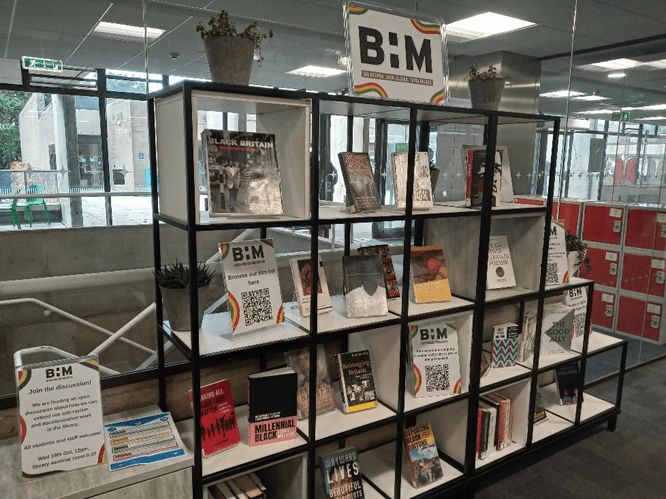
Black History is not just for Black History Month!
Fig. 1 Black History Month display at UEA Library How libraries – and librarians – are grappling with decolonisation and why this matters By Jenny Whitaker and Grant Young This is probably self-evident – especially to historians – but libraries are not neutral entities. They are highly constructed. They have legacies and biases and have…
-
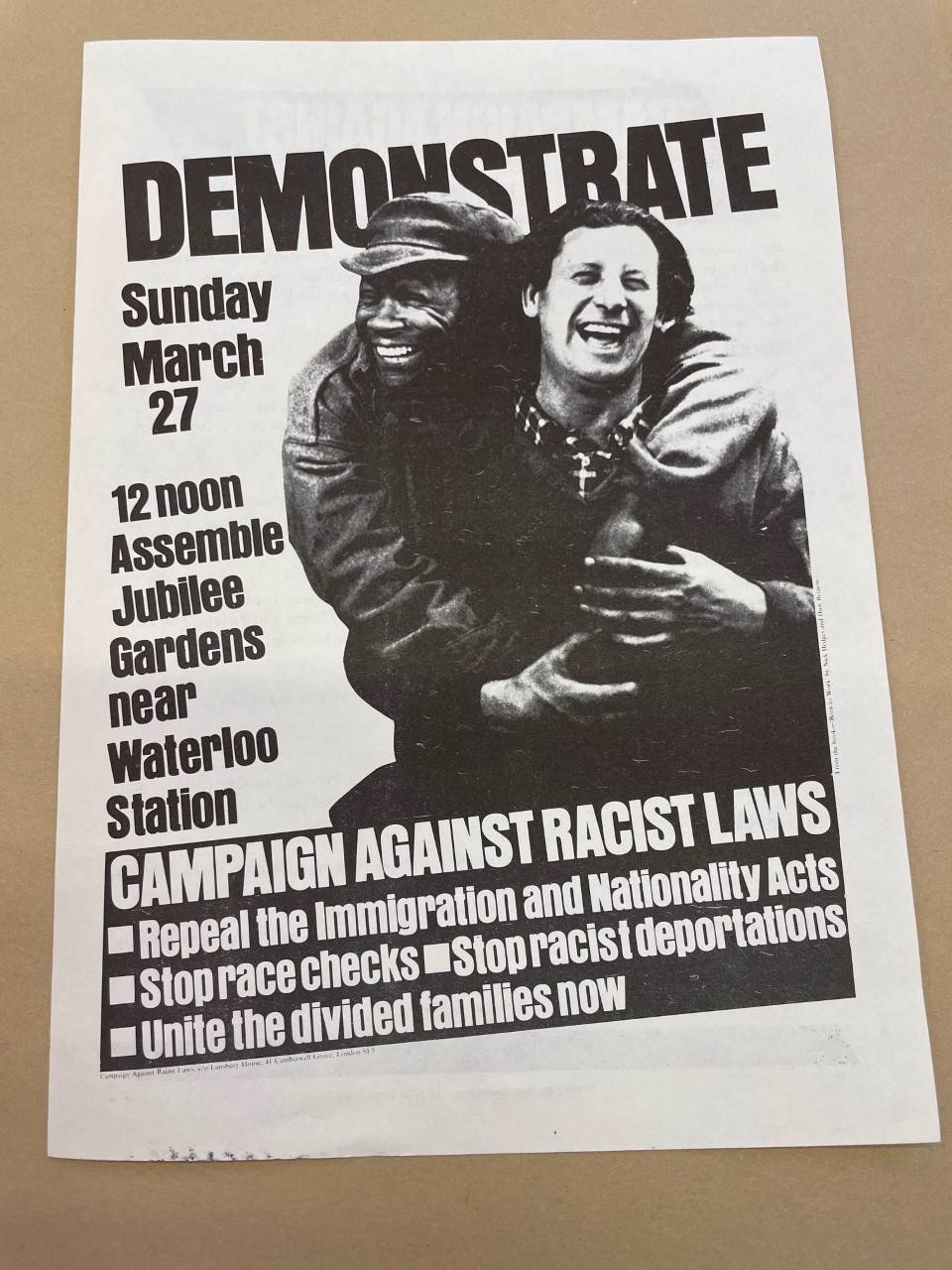
Surprising lessons from the 1980s: inspiration from anti-deportation campaign activism
Figure 1: Poster of the Campaign Against Racist Laws By Amy Grant Beginning my research into anti-deportation campaigns in Britain during the long 1980s was a depressing experience. I became enveloped by account after account of families and individuals being torn apart by ever-tightening and often arbitrarily administered immigration laws.[1] It became clear that the…
-

Reflections on Black History in Black History Month
Figure 1: Sketch of the life of Frederick Douglass in Special Memorial Murder (1895) By Becky Taylor Black History Month is often a time when I reflect not only on how Black British histories inform my own research on histories of marginalised and racialised groups – Gypsies and Travellers, refugees, the vilified poor and migrant…
-

Reaching out to Re-enactors and Vice-Versa
By Jeff Berry In 2010, I was at conference organised by the Columbia University Medieval Guild (now the Medieval Colloquium) when one of the invited speakers threw up a slide of the Ft. Tryon Medieval Festival, held annually in pre-covid times at the top end of Manhattan. Staring out at me from the picture was my good…
-
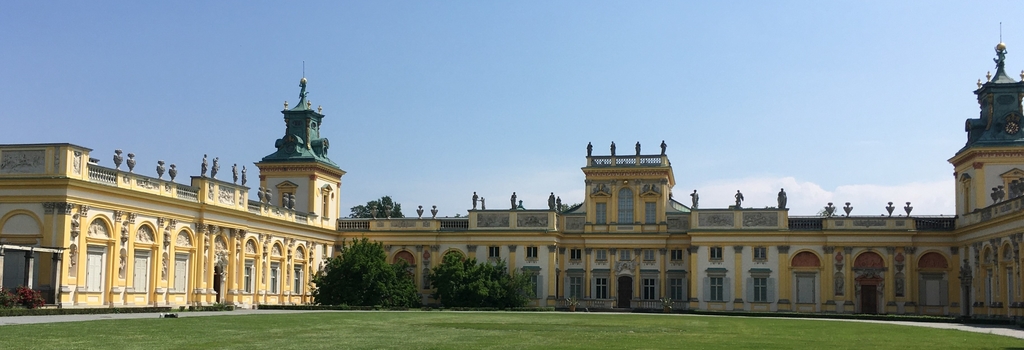
A Royal Bedroom: Gender, Class and Material Culture
By Esther Griffin van Orsouw For my PhD research at the University of Warsaw, I investigate the consumption of art by the Sobieski family and their contemporaries in the late 17th and early 18th century in relation to space. I consider what type of objects the royals surrounded themselves with, whether they favoured any objects…
-

A History of Argument: Teaching Students Critical Analysis
By Andrew Struan Writing in 1808 when in office as President of the United States, Thomas Jefferson told his grandson: ‘I never yet saw an instance of one of two disputants convincing the other by argument’. Continuing this line of thought in his letter, Jefferson explained that his fellow Founding Father, Benjamin Franklin, was ‘the…
-

Why is the HIstory of Emotions So Important?
ASHLEIGH WILSON The History of Emotions has become a vital field of historical research within contemporary academic discussions. Able to provide insight into the emotional history of a particular event, society and culture, this thematic approach has allowed for a nuanced understanding of the past. As a current undergraduate student, I have become deeply fascinated…
-

The History of Emotions: A Four Volume Sourcebook
KATIE BARCLAY, with FRANÇOIS SOYER, is editor of Emotions in Europe, 1517-1914 (Routledge, 2020), a four volume sourcebook. Here she talks to History about the work. History: What was the inspiration behind this project? Katie: I’ve been teaching History of Emotions courses for several years now and had been developing a series of resources to support students…
-
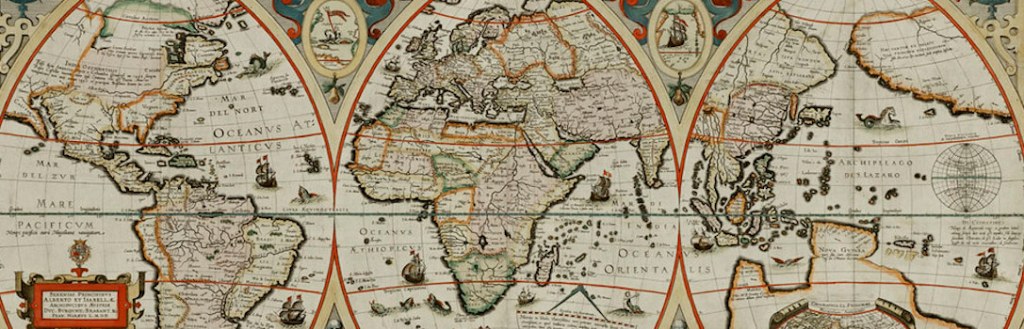
Will Africa be included in a global history of Covid-19?
ANNA ADIMA Over a year into the Covid-19 pandemic, one would be hard-pressed to deny that future history books will record this as a global milestone in the 21st century. Every individual around the world has in some way been affected by the virus; however, mainstream – Western – media remains guilty of underreporting the pandemic…
-
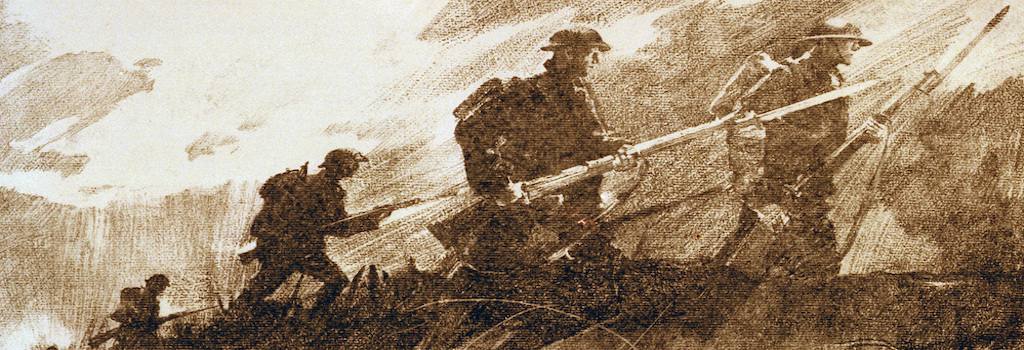
Reflections on ‘The World At War’
DANIEL ADAMSON I was recently intrigued to find a repeat of the 1973 documentary The World at War buried in the depths of Freeview television. Across 26 hour-long episodes, this series chronicled the course of the Second World War and charted the key experiences of the conflict. The reputation of The World at War preceded the programme: in 2000,…
 History blog archive