Category: Primary Sources
-
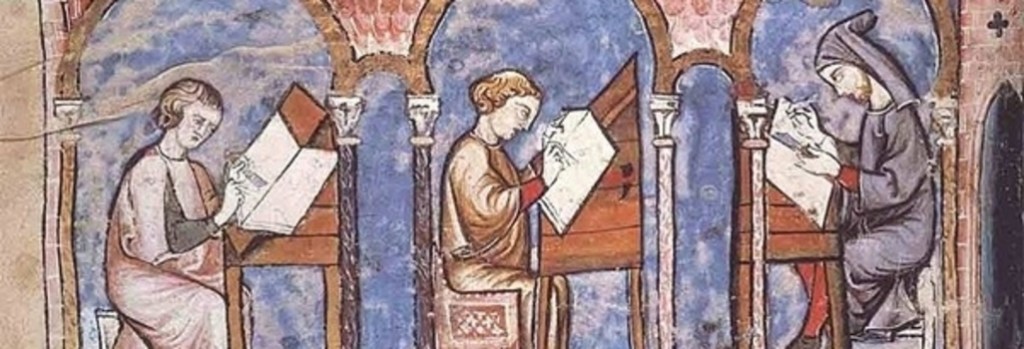
Narratology for Historical Research: Medieval Texts and Crusader Cannibals
By Katy Mortimer Historians use various methodologies to investigate the past. A particularly prominent feature of recent historiography, for example, is the exploration of social and cultural history, such as questions of gender, religion, power, and material culture. From the mid-twentieth century, moreover, the ‘linguistic turn’ and the development of narrative theory (narratology) led to…
-
![‘”A celebrated correspondence between the charming Mrs C- formerly well-known in the fashionable World – & her Amiable Daughter”’: The Historical Importance of the letters of Hitty and Bess Canning.[1]](https://historyjournal.org.uk/wp-content/uploads/2021/11/rs-cover-image.jpg?w=1023)
‘”A celebrated correspondence between the charming Mrs C- formerly well-known in the fashionable World – & her Amiable Daughter”’: The Historical Importance of the letters of Hitty and Bess Canning.[1]
By Rachel Smith Whilst reading through the eighteenth-century Canning Family archive at the West Yorkshire Archive Service in Leeds, I came across a rather interesting letter from John Murray, a publisher, to a Mrs Butler. Dated 25th July 1912, he wrote that I gather from what Miss Routh and Mr. Duff told me that the…
-
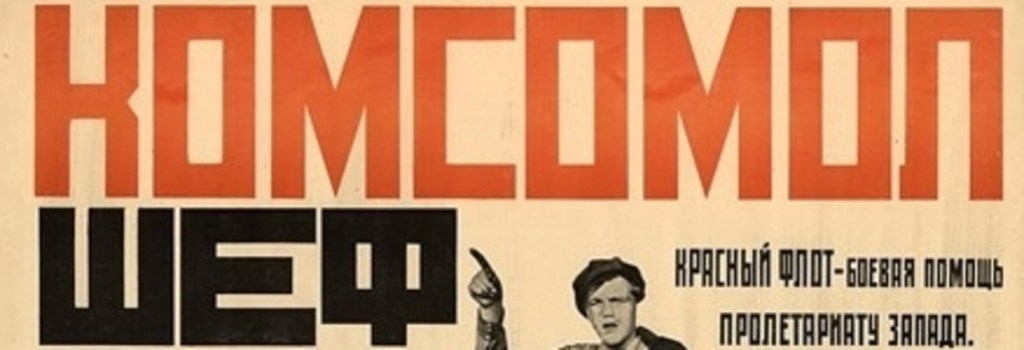
Face to Face Encounters: Letter-Writers and Portrait Photographs in the Russian State Archive
Hannah Parker On the final research trip for my PhD, I found some small portrait photographs of letter-writers in a file of between some hundred and a thousand 1925 letters to the editor of Krest’ianka – a series of biographies with enclosed photographs from their authors. Though, in my experience, group photographs were occasionally included…
-

Why is the HIstory of Emotions So Important?
ASHLEIGH WILSON The History of Emotions has become a vital field of historical research within contemporary academic discussions. Able to provide insight into the emotional history of a particular event, society and culture, this thematic approach has allowed for a nuanced understanding of the past. As a current undergraduate student, I have become deeply fascinated…
-

The History of Emotions: A Four Volume Sourcebook
KATIE BARCLAY, with FRANÇOIS SOYER, is editor of Emotions in Europe, 1517-1914 (Routledge, 2020), a four volume sourcebook. Here she talks to History about the work. History: What was the inspiration behind this project? Katie: I’ve been teaching History of Emotions courses for several years now and had been developing a series of resources to support students…
-
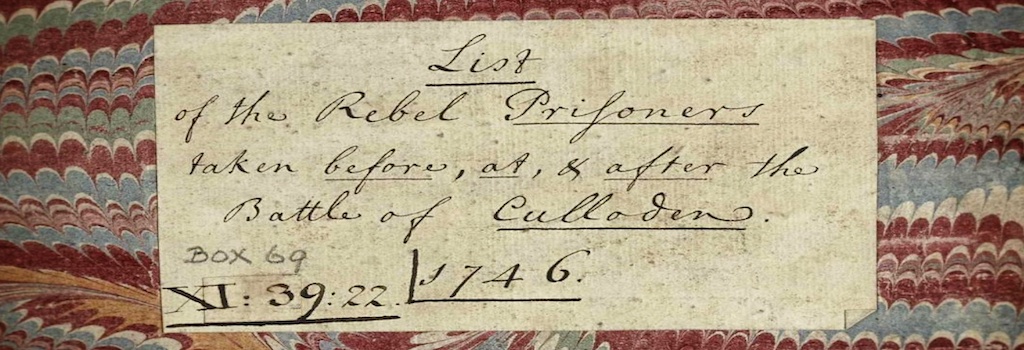
Analysing Jacobite Prisoner Lists with JDB45
Analogous Analysis Paralysis: The Stultifying Weltschmerz of Jacobite Prisoner Lists DR DARREN SCOTT LAYNE Now nearly three centuries on from Jacobitism’s imminent threat to the British post-revolution state, the movement’s historical record is still a living entity with plenty of room for growth. To wit, the demographic characteristics of both domestic and international participation in…
-

Richard III, the Princes in the Tower, and Thomas More – answers to the mystery?
PROFESSOR TIM THORNTON The fascination evoked by Richard III and the mystery of the ‘princes in the Tower’ continues to grow. The discovery of Richard’s body under a carpark in 2012 and his reburial in Leicester Cathedral in 2015 drew international attention, and a stellar team led by Steve Coogan and Steven Frears will shortly…
-

Material Culture and Identities: The Case of Eighteenth Century Toby Jugs
KERRY LOVE A main principle of material culture theory (the study of objects and their relationships to people) is that they can reflect or shape the people who lived alongside them in any given time. I have always enjoyed studying objects more than any other kind of source because the process gave me a direct…
-
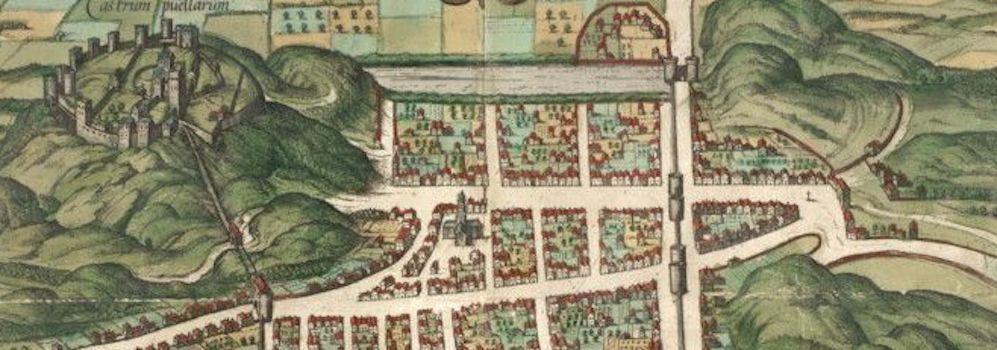
Role Theory and Protestant Spirituality in Early Modern Scotland
CIARAN JONES I recently submitted my PhD thesis on Protestant spirituality in early modern Scotland. Focussing on witchcraft trials, my thesis was mainly concerned with how your average seventeenth-century peasant articulated certain spiritual ideas. Using mostly manuscript records of witchcraft trial confessions as my source base, I compared how these ideas were expressed in different but related…
-

Reading Russian Sources
George Gilbert Reading Russian Sources: creating a new edited collection When I was tasked with editing the collection Reading Russian Sources for Routledge, one of the first questions that came to mind – and the spirit I will be approaching this blog post with – is, in our current research environment that privileges beefy articles and monographs,…
 History blog archive