Tag: Early Modern
-
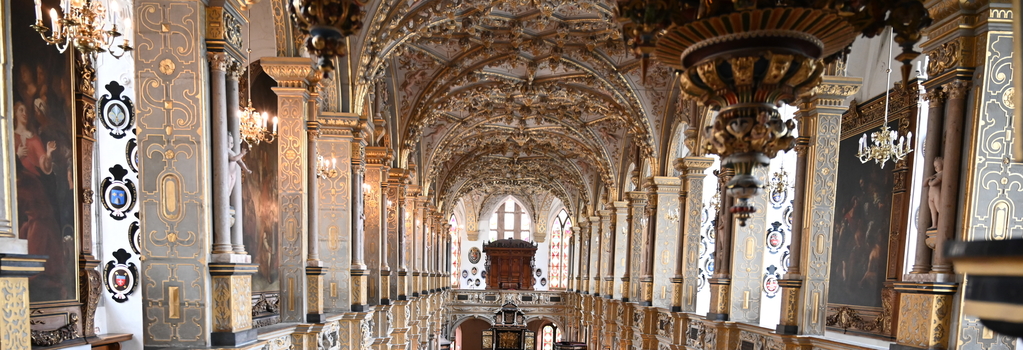
The court chapel’s position in Early Modern Europe: a methodological approach
By Manos Vakondios The “court chapel across religious boundaries” is my PhD project, part of the wider MSCA project PALAMUSTO (Palace Museum of Tomorrow)[1]. Together with nine other PhD theses, palatial spaces, concepts, and infrastructures are addressed and explored by colleagues in universities and museum institutions across Europe.[2] The research focus of my doctoral project…
-
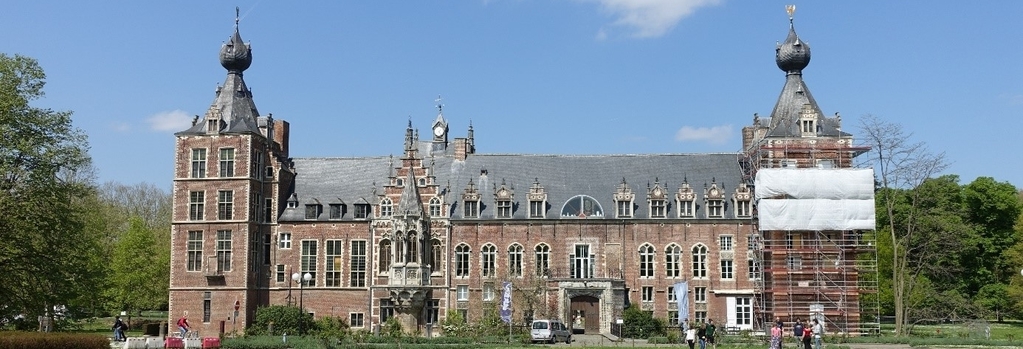
Researching (from) a Ducal Residence: the Tower Apartment of Mary of Hamal at the Castle of Heverlee
By Miara Fraikin In March 2020 – not the best timing to be honest – I started my PhD research within the Horizon 2020 funded European Training Network PALAMUSTO (Palace Museum of Tomorrow). Uniting ten researchers from nine hosting institutions in five European countries, this research project aims to investigate the court residence or palace…
-
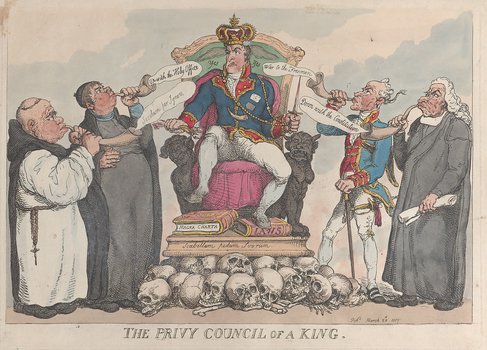
Blurring the lines of the two kingdoms: kirk and council in Scotland, 1689-1708
By Robbie Tree As the British Cabinet continues to run rough shod over its responsibilities, we hear grumblings over the effectiveness of our leaders and the legitimacy of central government intervention into the daily lives of the populace. These issues were relevant to early modern Scots as well, in terms of the government of both…
-
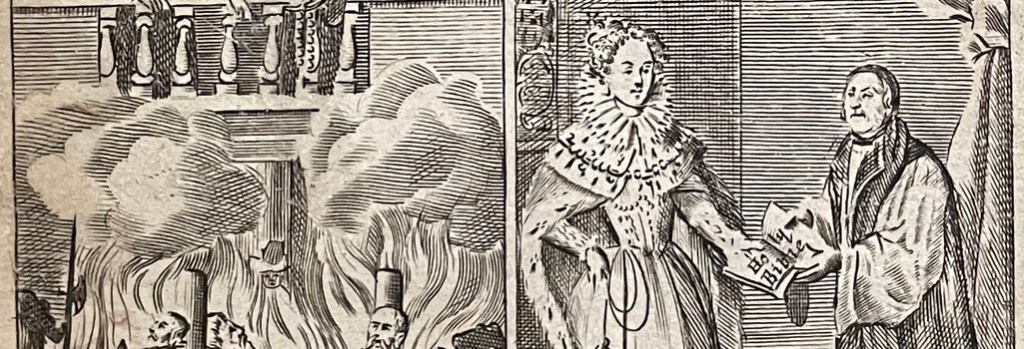
Celebrating the Accession Day of Elizabeth I of England, 1558 and Beyond
By Aidan Norrie On 17 November 1558, Elizabeth, daughter of Henry VIII and Anne Boleyn, succeeded to the throne of England and Ireland upon the death of her half-sister Mary I. She was England’s fourth monarch in eleven years (or fifth, if Jane Grey is counted), and it is not unreasonable to claim that her…
-
![‘”A celebrated correspondence between the charming Mrs C- formerly well-known in the fashionable World – & her Amiable Daughter”’: The Historical Importance of the letters of Hitty and Bess Canning.[1]](https://historyjournal.org.uk/wp-content/uploads/2021/11/rs-cover-image.jpg?w=1023)
‘”A celebrated correspondence between the charming Mrs C- formerly well-known in the fashionable World – & her Amiable Daughter”’: The Historical Importance of the letters of Hitty and Bess Canning.[1]
By Rachel Smith Whilst reading through the eighteenth-century Canning Family archive at the West Yorkshire Archive Service in Leeds, I came across a rather interesting letter from John Murray, a publisher, to a Mrs Butler. Dated 25th July 1912, he wrote that I gather from what Miss Routh and Mr. Duff told me that the…
-

EARLY MODERN STUDENTS: NEW DIRECTIONS FOR THE STUDY OF MIGRATION AND IDENTITY
Dr Karie Schultz In recent years, the value of universities––and especially of a humanities education–– has been hotly contested. Discourse has focused on how the humanities might equip students to think critically about the contemporary problems with which they are faced. Turning our focus toward the history of universities, it is evident that these institutions…
-
Lacquer as Art and Medicinal Material in Early Modern England
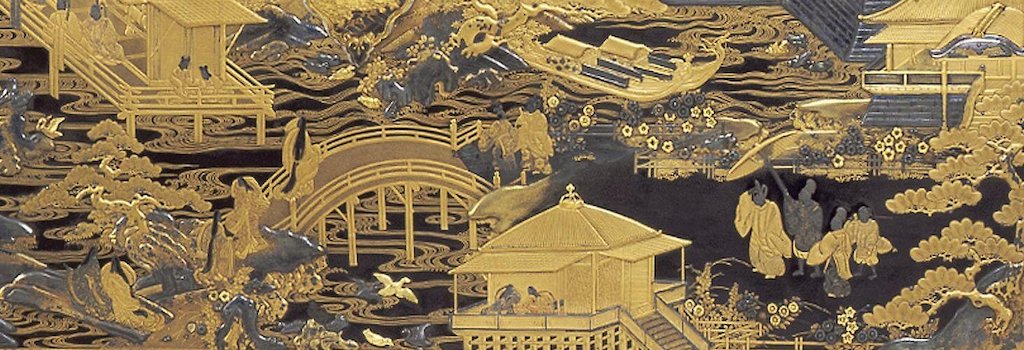
CHENG HE Look up the word ‘lacquer’ in an art dictionary, or on Google, and you usually find the word ‘varnish’; a sticky liquid applied to the surface of objects to form a shiny coating. The word can also refer to the objects coated with varnish themselves, which are sometimes decorated with additional materials like…
-

Richard III, the Princes in the Tower, and Thomas More – answers to the mystery?
PROFESSOR TIM THORNTON The fascination evoked by Richard III and the mystery of the ‘princes in the Tower’ continues to grow. The discovery of Richard’s body under a carpark in 2012 and his reburial in Leicester Cathedral in 2015 drew international attention, and a stellar team led by Steve Coogan and Steven Frears will shortly…
-

Feeling Sickness: Emotional responses to pandemic diseases
DR MONICA O’BRIEN It’s a wintery afternoon and, once again, I’m scrolling through news articles about Covid-19. Since countries entered their first lockdowns, much has been written on the pandemic’s emotional and psychological impacts. Loss, loneliness, fear, stress, anger; these emotions figure prominently in many narratives of the pandemic. It seems that emotional consequences will…
 History blog archive