Category: Political History
-
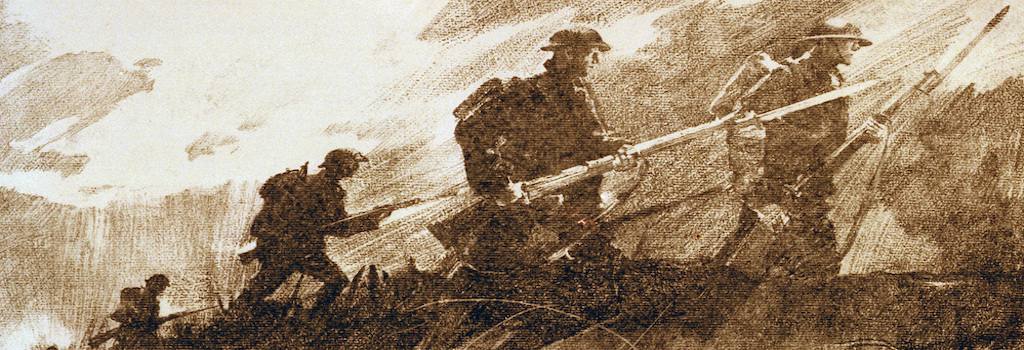
Reflections on ‘The World At War’
DANIEL ADAMSON I was recently intrigued to find a repeat of the 1973 documentary The World at War buried in the depths of Freeview television. Across 26 hour-long episodes, this series chronicled the course of the Second World War and charted the key experiences of the conflict. The reputation of The World at War preceded the programme: in 2000,…
-
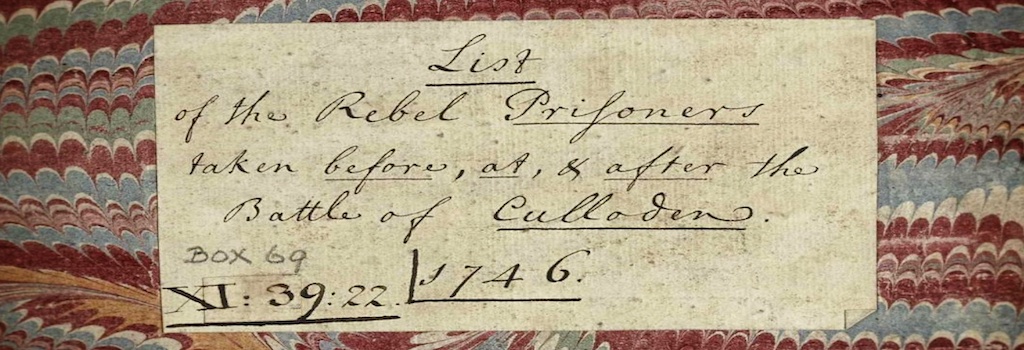
Analysing Jacobite Prisoner Lists with JDB45
Analogous Analysis Paralysis: The Stultifying Weltschmerz of Jacobite Prisoner Lists DR DARREN SCOTT LAYNE Now nearly three centuries on from Jacobitism’s imminent threat to the British post-revolution state, the movement’s historical record is still a living entity with plenty of room for growth. To wit, the demographic characteristics of both domestic and international participation in…
-

Healing the Whig schism: 300 years on
Robin Eagles Fractures within political parties are nothing new. In 1717, the apparent unity that the Hanoverian accession had instilled in the Whigs came to an end amid infighting over direction of policy and disagreement over who was to hold what post in the new administration.[1] It was a fissure that was to last almost…
-
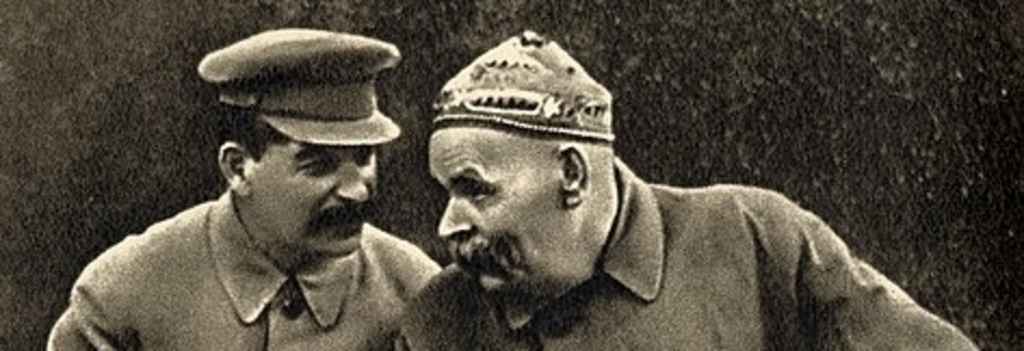
The jokes always saved us: humour in the time of Stalin
Jonathan Waterlow This piece was originally published at Aeon under a creative commons licence, and has been reproduced here with the agreement and encouragement of the author. Stalinism. The word conjures dozens of associations, and ‘funny’ isn’t usually one of them. The ‘S-word’ is now synonymous with brutal and all-encompassing state control that left no…
-

How to run a country: Early modern style.
C. Annemieke Romein Let us assume you are governing an early modern ’country’: how should you provide order? How do you keep its inhabitants safe? And how might you organise governance and policy-making? Most researchers who deal with these questions tend to focus on principalities or kingdoms. With this blog post I would like to…
-

Hospitals for All?
Barry Doyle As the nation struggles with the most pervasive health crisis for one hundred years, the central role of hospitals as community resources for all, irrespective of residence, nationality or ethnic background, is obvious. Today we would expect patients to be treated solely on medical need. Yet in the interwar period, an era of…
-

Using Scrapbooks as Historical Sources
Cherish Watton. Think of any topic, and someone, somewhere, has probably made a scrapbook on it. People scrapbooked on things which were important to them; family, friendships, professional activity, popular culture, political, and associational activity. Scrapbooks didn’t just document family life. Politicians and diplomats turned to scrapbooks to record their careers and were often acknowledged…
 History blog archive