Tag: History
-
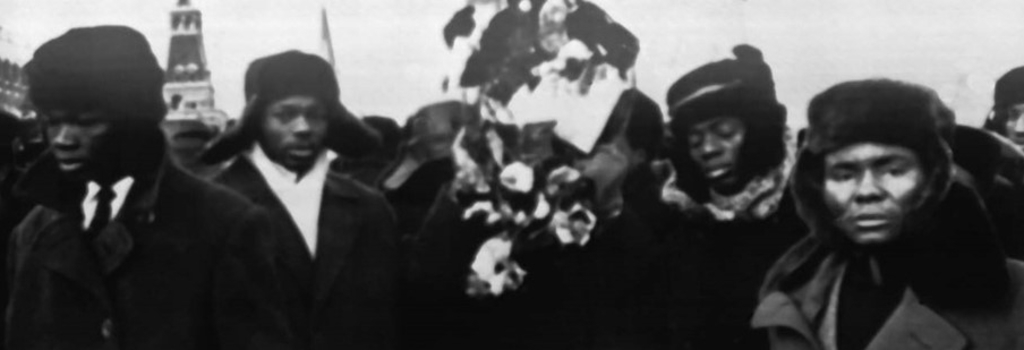
Ghanaian Racial Citizenship in the Soviet Union and U.S., 1957-1966
By Nana Osei-Opare On May 25, 2020, a white American police officer, Derek Chauvin, and two other police officers murdered George Floyd, a 46-year-old Black man. Floyd’s murder sparked global outrage and a reckoning on anti-Black racism. Even right-wing television evangelist Pat Robertson, a staunch pro-police supporter, criticised Chauvin’s actions. Floyd’s murder and the global…
-
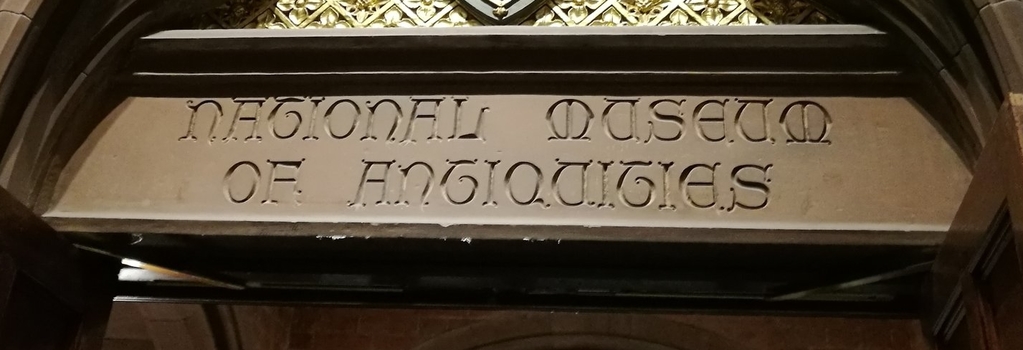
Women collectors, Lady Associates and the Society of Antiquaries of Scotland
By Julie Holder When I tell people that I research the nineteenth-century history of the Society of Antiquaries of Scotland, a very specific idea of an ‘antiquary’ comes to mind: white, male, and middle or upper class. And to a great extent this view is correct. However, that does not mean that women were not…
-

The Palace Museum of Tomorrow
By Esther Griffin – van Orsouw Stories of royal and noble courts capture the imagination of millions of people all over the world. If we look at the offer on streaming services, we see historical titles such as ‘The Other Boleyn Girl’, ‘Versailles’, ‘The Cook of Castamar’, ‘The Last Czars’, and ‘Downton Abbey’, to name…
-
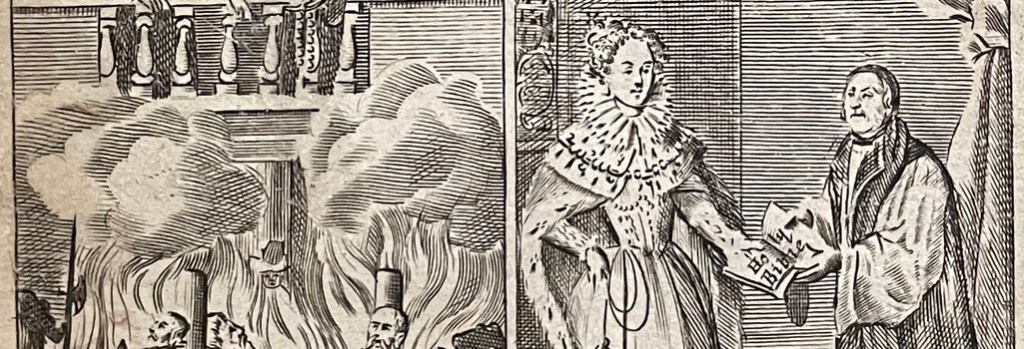
Celebrating the Accession Day of Elizabeth I of England, 1558 and Beyond
By Aidan Norrie On 17 November 1558, Elizabeth, daughter of Henry VIII and Anne Boleyn, succeeded to the throne of England and Ireland upon the death of her half-sister Mary I. She was England’s fourth monarch in eleven years (or fifth, if Jane Grey is counted), and it is not unreasonable to claim that her…
-
![‘”A celebrated correspondence between the charming Mrs C- formerly well-known in the fashionable World – & her Amiable Daughter”’: The Historical Importance of the letters of Hitty and Bess Canning.[1]](https://historyjournal.org.uk/wp-content/uploads/2021/11/rs-cover-image.jpg?w=1023)
‘”A celebrated correspondence between the charming Mrs C- formerly well-known in the fashionable World – & her Amiable Daughter”’: The Historical Importance of the letters of Hitty and Bess Canning.[1]
By Rachel Smith Whilst reading through the eighteenth-century Canning Family archive at the West Yorkshire Archive Service in Leeds, I came across a rather interesting letter from John Murray, a publisher, to a Mrs Butler. Dated 25th July 1912, he wrote that I gather from what Miss Routh and Mr. Duff told me that the…
-
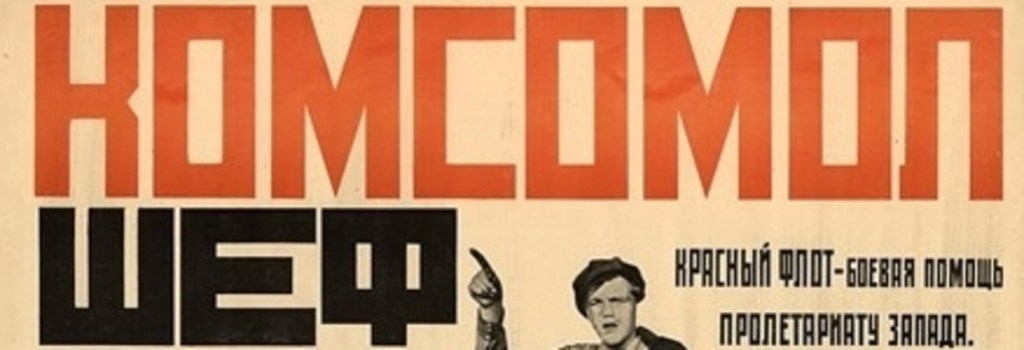
Face to Face Encounters: Letter-Writers and Portrait Photographs in the Russian State Archive
Hannah Parker On the final research trip for my PhD, I found some small portrait photographs of letter-writers in a file of between some hundred and a thousand 1925 letters to the editor of Krest’ianka – a series of biographies with enclosed photographs from their authors. Though, in my experience, group photographs were occasionally included…
-

A History of Argument: Teaching Students Critical Analysis
By Andrew Struan Writing in 1808 when in office as President of the United States, Thomas Jefferson told his grandson: ‘I never yet saw an instance of one of two disputants convincing the other by argument’. Continuing this line of thought in his letter, Jefferson explained that his fellow Founding Father, Benjamin Franklin, was ‘the…
-

‘Here terrible portents’: Famine as a Catalyst for the first Viking raids?
By Tenaya Jorgensen As an Environmental Historian, I am keenly interested in how humans have responded to climate pressures and weather extremes in the past, and what we can learn from these responses today. One aspect of my doctoral research compares periods of violence against temperature and precipitation during the early Viking Age, c. 790-920.…
-

EARLY MODERN STUDENTS: NEW DIRECTIONS FOR THE STUDY OF MIGRATION AND IDENTITY
Dr Karie Schultz In recent years, the value of universities––and especially of a humanities education–– has been hotly contested. Discourse has focused on how the humanities might equip students to think critically about the contemporary problems with which they are faced. Turning our focus toward the history of universities, it is evident that these institutions…
-

Why is the HIstory of Emotions So Important?
ASHLEIGH WILSON The History of Emotions has become a vital field of historical research within contemporary academic discussions. Able to provide insight into the emotional history of a particular event, society and culture, this thematic approach has allowed for a nuanced understanding of the past. As a current undergraduate student, I have become deeply fascinated…
 History blog archive